


Understanding the Anatomy of a Folding Hand Fan
A folding hand fan may look like a simple accessory, but once you start using one regularly, you realize it is a surprisingly refined piece of design. Every flick, every smooth opening, and every steady breeze depends on how well its components work together. It is not just about decoration or tradition. It is about precision. When you hold a well-crafted fan, it feels natural, almost intuitive, like it was designed specifically for your hand.
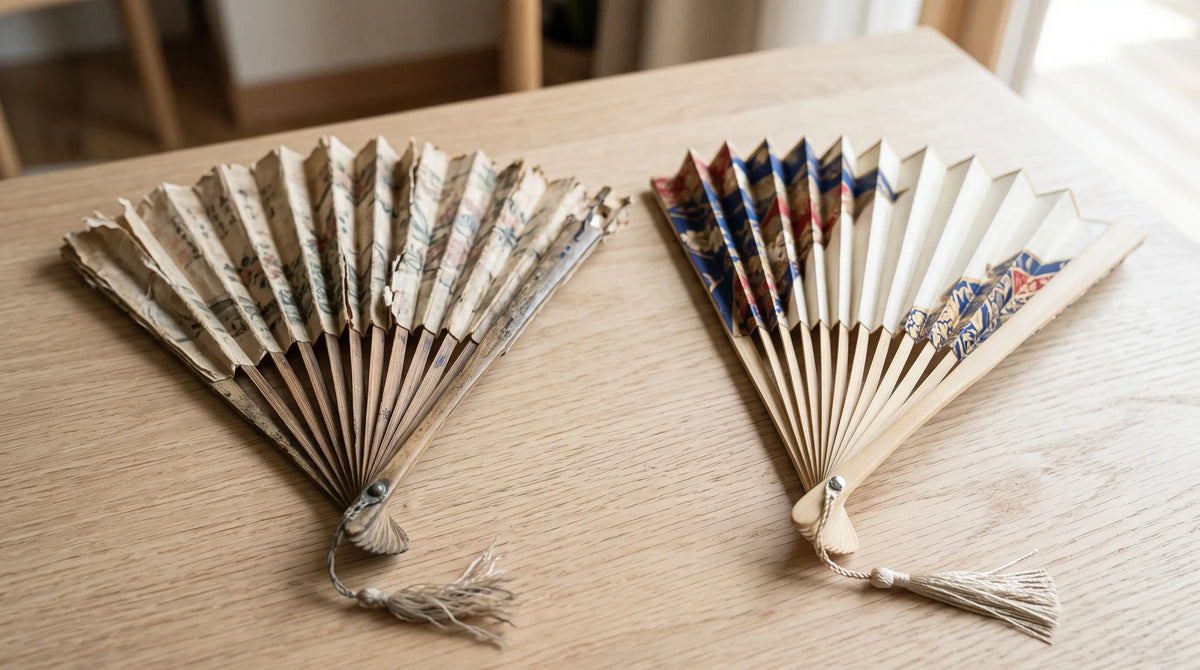
At its core, a folding fan is a combination of ribs, guards, a pivot, and a leaf. Each part has a job, and none of them can afford to fail. The ribs form the structure, the guards protect and stabilize, the pivot allows movement, and the leaf delivers airflow. If even one of these elements is poorly made, the entire experience suffers. You might feel resistance when opening it, or it might not stay open at all.
What makes folding fans fascinating is how such a small object relies on principles similar to larger mechanical systems. Balance and tension act like invisible forces guiding every movement. When they are right, everything feels smooth. When they are off, even slightly, the flaws become obvious.
This is why understanding the anatomy of a folding fan matters. It helps you appreciate the difference between a cheap, disposable fan and one that is built to last. More importantly, it helps you choose a fan that delivers both comfort and durability, which is exactly what most people are looking for.
Key Components That Define Structure
The structure of a folding fan revolves around its ribs, which act as the backbone of the entire piece. These thin slats radiate outward from a central pivot, spreading evenly to form a semicircle when opened. At both ends, guard sticks provide additional strength, acting like protective shields that keep the inner ribs aligned and safe when the fan is closed.
Each rib must be carefully shaped and evenly weighted. Even a small inconsistency can disrupt the entire mechanism. Imagine one rib being slightly heavier. That imbalance would affect how the fan opens, causing uneven motion that feels awkward in your hand. Over time, this uneven stress can damage the pivot or warp the ribs.
The pivot itself is the heart of the fan. It holds everything together while allowing controlled movement. If it is too loose, the fan becomes floppy and unreliable. If it is too tight, it becomes stiff and difficult to open. Achieving the right tension at this point is essential for smooth operation.
The leaf, often made of paper, silk, or fabric, connects all the ribs. It plays a subtle but important role in balance. A heavier leaf can add stability, while a lighter one can improve responsiveness. The key is ensuring that the leaf complements the ribs rather than overpowering them.
How Materials Influence Performance
Materials have a direct impact on how a folding fan performs. Bamboo is widely used because it offers a great balance between strength and flexibility. It is lightweight, durable, and responsive, making it ideal for maintaining both balance and tension. Wooden fans can feel more luxurious, but they require careful crafting to avoid excess weight.
Plastic fans are common in budget options. While they can be durable, they often lack the natural flexibility of bamboo. This can result in a stiffer feel, which affects how smoothly the fan opens and closes. Over time, plastic components may also lose their tension more quickly.
The leaf material matters just as much. Silk and fabric leaves provide flexibility and durability, allowing for smoother motion. Paper leaves are lighter and can enhance balance, but they require more care. The interaction between the ribs and the leaf determines how the fan behaves overall.
When materials are chosen wisely, the result is a fan that feels effortless to use. It opens smoothly, stays stable, and delivers consistent airflow. That is the difference quality materials can make.
What Balance Means in a Folding Fan
Weight Distribution Across the Fan
Balance in a folding fan is all about how weight is distributed across its structure. When the weight is evenly spread, the fan opens in a smooth, controlled arc. You do not have to think about it. It just works. That is the kind of experience people expect, even if they do not consciously understand why.
An unbalanced fan tells a different story. You might notice one side lagging or the fan tilting slightly when opened. These small issues can make the fan feel unreliable. Over time, they can also lead to damage, as uneven stress puts pressure on specific ribs and the pivot.
Proper weight distribution also improves airflow. When the fan opens evenly, air moves consistently across its surface. This creates a more effective cooling effect. It is a small detail that makes a big difference in everyday use.
The Role of Symmetry in Smooth Operation
Symmetry ensures that every rib moves in harmony with the others. It is what creates that satisfying, fluid motion when you open a fan. Without symmetry, the movement becomes uneven, and the fan loses its elegance.
A symmetrical fan also distributes stress evenly. This reduces wear and extends the lifespan of the fan. It closes neatly, opens smoothly, and feels reliable every time you use it.
From a practical standpoint, symmetry is a sign of quality. It shows that the fan was carefully crafted with attention to detail. That level of precision is what separates a premium product from a mass-produced one.
The Science Behind Tension in Folding Fans
Pivot Mechanics and Friction Control
Tension is controlled by the pivot, where all ribs meet. This small component determines how tightly the fan holds together and how smoothly it moves. It relies on friction to create resistance, allowing the fan to stay open without being difficult to operate.
Too little friction leads to a loose fan that cannot hold its shape. Too much friction makes it stiff and hard to use. Finding the right balance is key.
Environmental factors can also affect tension. Materials like wood and bamboo may expand or contract with humidity, slightly altering the feel of the fan. High-quality fans are designed to handle these changes without losing performance.
Ideal Tightness for Effortless Movement
The perfect tension allows the fan to open with a gentle flick while staying firmly in place. It should feel controlled but not restrictive. Think of it like a well-tuned hinge that moves smoothly without swinging freely.
Testing tension is simple. A good fan stays closed when held but opens easily when needed. It should not require force, nor should it feel loose.
Maintaining this balance over time is what sets high-quality fans apart. They are built to retain their tension, providing consistent performance even after repeated use.
Why Balance and Tension Work Together
Achieving Fluid Motion
Balance and tension are interconnected. When both are properly aligned, the fan moves with a natural flow that feels almost effortless. This fluid motion enhances both usability and enjoyment.
A fan with good balance but poor tension will feel unstable. A fan with good tension but poor balance will feel awkward. Only when both are correct does the fan perform at its best.
Preventing Wear and Tear
Proper balance and tension reduce stress on the fan’s components. This extends its lifespan and maintains performance over time. Poorly constructed fans tend to wear out जल्दी, while well-made ones remain reliable for years.
Common Problems Caused by Poor Balance or Tension
Loose Fans and Wobbling Issues
Loose fans often feel unstable and unreliable. They may not stay open properly, making them difficult to use. This is usually caused by insufficient tension at the pivot.
Overly Tight Fans and Stiff Movement
Overly tight fans require effort to open and close. This can lead to frustration and even damage over time. Proper tension avoids this issue.
Craftsmanship Techniques That Ensure Proper Balance
Traditional Handcrafted Methods
Traditional craftsmanship focuses on precision and attention to detail. Skilled artisans carefully shape and assemble each component to achieve perfect balance and tension.
Modern Precision Engineering
Modern techniques use advanced tools to ensure consistency and accuracy. This allows for high-quality fans that maintain performance over time.
Materials That Affect Balance and Tension
Bamboo, Wood, and Plastic Comparisons
| Material | Pros | Cons |
|---|---|---|
| Bamboo | Lightweight, flexible, durable | Requires skilled crafting |
| Wood | Premium feel, मजबूत | Heavier |
| Plastic | Affordable, durable | Less flexible |
Fabric and Paper Weight Considerations
The choice between fabric and paper affects both balance and durability. Fabric offers flexibility, while paper provides lightweight performance.
How to Test the Balance of a Folding Fan
Simple At-Home Techniques
You can test a fan by opening it halfway and observing its movement. A balanced fan will remain steady and symmetrical.
Signs of a Well-Balanced Fan
Smooth opening, even spacing, and stable positioning are key indicators of good balance.
Adjusting and Maintaining Proper Tension
Tightening the Rivet Safely
Adjusting the pivot can help maintain proper tension. This should be done carefully to avoid damage.
Long-Term Maintenance Tips
Regular care ensures longevity. Keep the fan clean and store it properly to maintain performance.
Choosing a High-Quality Folding Fan
What to Look for Before Buying
Look for smooth movement, balanced weight, and durable materials. These factors indicate a well-made fan.
Where to Find Reliable Options
Finding a trusted source is essential. Explore a wide range of high-quality folding fans at https://www.getmyfan.com/collections/all where craftsmanship meets performance and style in every design.
Conclusion
Balance and tension are the hidden forces that define the quality of a folding fan. They influence everything from how it feels in your hand to how long it lasts. A well-balanced and properly tensioned fan offers smooth motion, reliable performance, and lasting durability. Paying attention to these details helps you choose a fan that delivers both function and enjoyment.
FAQs
1. What makes a folding fan high quality?
A high-quality fan has proper balance, smooth tension, durable materials, and precise craftsmanship.
2. How can I fix a loose folding fan?
You can carefully tighten the pivot, but it is important to avoid over-tightening.
3. Why is my fan hard to open?
This is usually due to excessive tension or poor material quality.
4. Which material is best for folding fans?
Bamboo is often preferred for its balance of strength and flexibility.
5. How long does a good folding fan last?
With proper care, a high-quality fan can last for many years.


Share:
How to Spot Low-Quality Folding Hand Fans Online
What AAA-Grade Bamboo Means in Hand Fans