


Introduction to Folding Hand Fans
Folding hand fans are one of those rare accessories that blend elegance, practicality, and cultural depth into a single object. At first glance, they seem simple. A few ribs, a stretch of material, and a gentle flick of the wrist. Yet once you start exploring them, you realize they carry centuries of artistry and intention. They are not just tools to stay cool. They are expressions of taste, identity, and sometimes even storytelling.
Today, folding fans have found their place in both modern and traditional settings. You will see them at outdoor weddings, cultural festivals, dance performances, and even as decorative accents in homes. What makes them particularly fascinating is how material choice transforms the entire experience. A fan is not just a fan. A silk folding fan feels entirely different from a fabric folding fan, even if the structure looks identical.
Imagine holding something that feels almost weightless, smooth to the touch, and subtly reflective under light. That is silk. Now compare it to a sturdier, more textured material that feels dependable and versatile. That is fabric. Both have their charm, but they serve slightly different purposes.
Understanding these differences matters more than most people think. Whether you are buying for personal use, gifting, or styling an event, your choice will affect durability, aesthetics, and even the impression you leave behind.
A Brief History of Folding Fans
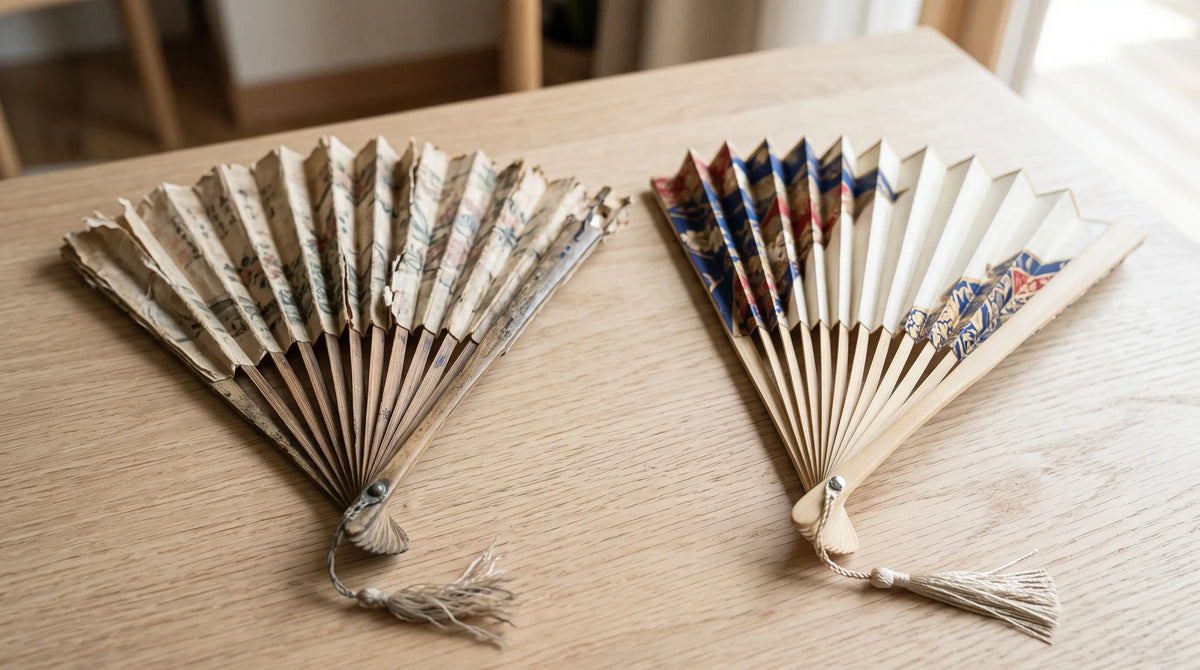
Folding fans have a surprisingly rich and layered history that stretches back more than a thousand years. Their origins are often traced to Japan, where early versions of folding fans were crafted from thin strips of wood tied together and covered with paper or silk. These early designs were not just practical but also symbolic, often representing status and refinement.
As trade routes expanded, folding fans traveled across Asia and into Europe. By the time they reached European courts, they had transformed into luxury items. Aristocrats carried them not only for comfort but also as fashion accessories that reflected their wealth and sophistication. Silk became the material of choice for high society because of its softness, sheen, and ability to hold intricate hand-painted designs.
During the 18th century, folding fans reached peak popularity in Europe. They were used in elaborate social settings, and people even developed a system of gestures known as the "language of the fan." A simple flick or tilt could communicate interest, disinterest, or secrecy without a single word spoken.
Meanwhile, more affordable materials began to emerge for everyday use. Cotton and blended fabrics allowed the general public to enjoy folding fans without the high cost associated with silk. This created a natural divide that still exists today. Silk represents luxury and artistry, while fabric represents accessibility and practicality.
Understanding this history helps explain why modern buyers still associate silk fans with elegance and fabric fans with everyday versatility.
Why Folding Fans Are Still Popular Today
Despite all the technological advancements around us, folding fans have not faded into obscurity. In fact, they are experiencing a quiet resurgence. The reasons are surprisingly practical and emotional at the same time.
First, there is portability. A folding fan fits easily into a handbag, backpack, or even a pocket. Unlike electric fans or cooling devices, it requires no batteries or charging. It is always ready when you need it. This makes it perfect for travel, outdoor events, or even daily commuting.
Second, there is the growing shift toward sustainability. Many people are looking for ways to reduce energy consumption and environmental impact. Folding fans provide a simple, effective solution. They are reusable, long-lasting, and completely energy-free.
Then there is the aesthetic appeal. In an era dominated by mass-produced items, people are drawn to objects that feel personal and artistic. A well-designed fan can act as both a functional accessory and a statement piece. Whether you are attending a summer wedding or taking photos during a vacation, a beautiful fan adds character and charm.
Social media has amplified this appeal. Influencers and content creators often incorporate folding fans into their visuals, especially in fashion and travel content. The result is a renewed appreciation for something that has always been quietly elegant.
Understanding Silk Folding Fans
What Makes Silk Unique?
Silk is often described as the gold standard when it comes to materials for folding fans, and for good reason. It is a natural fiber known for its smooth texture, lightweight feel, and subtle shine. When you hold a silk fan, you immediately notice how soft and fluid it feels in your hand. It almost glides as you open and close it.
What sets silk apart is its ability to reflect light in a way that gives it a gentle glow. This makes colors appear richer and designs more vibrant. If you are looking for a fan that feels luxurious and visually striking, silk is hard to beat.
Another unique quality of silk is its flexibility. It drapes beautifully across the ribs of the fan, allowing for smooth movement and a refined appearance. This is especially important for performances or formal events where every detail matters.
However, silk is also delicate. It requires careful handling and proper storage to maintain its quality over time. This is not the kind of fan you toss into a bag without thinking. It demands a bit of respect, but in return, it offers an unmatched sensory experience.
Craftsmanship Behind Silk Fans
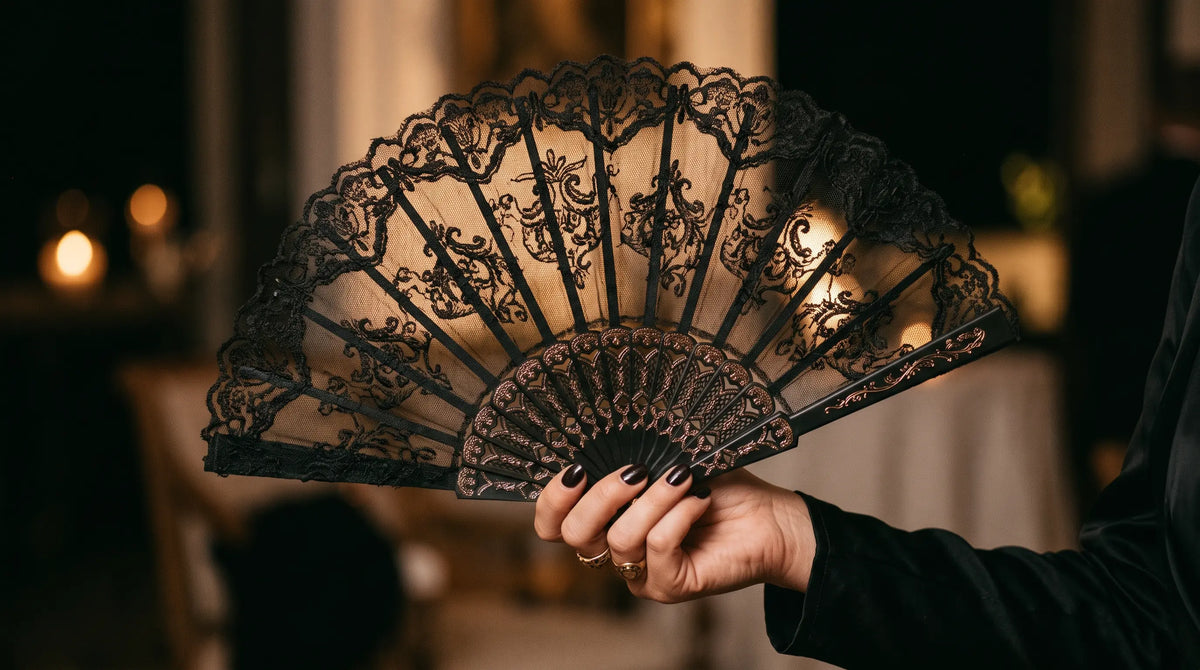
Silk folding fans are often crafted with a level of detail that borders on artistry. Many of them are handmade or involve intricate processes that require skill and patience. The silk itself may be dyed, painted, or embroidered with elaborate patterns ranging from floral motifs to cultural symbols.
The ribs of the fan are usually made from materials like bamboo or wood, carefully carved and polished to complement the silk. When these elements come together, the result is not just a tool but a piece of art.
Artisans often spend hours or even days perfecting a single fan. This level of craftsmanship contributes to the higher price point, but it also ensures that each piece feels unique. You are not just buying a fan. You are investing in something that carries a story and a tradition.
Common Uses of Silk Folding Fans
Silk fans are most commonly associated with formal and artistic settings. They are popular at weddings, especially for bridesmaids or as decorative elements. They are also widely used in dance performances, where their elegance enhances the visual impact.
In addition, silk fans make excellent gifts. Their luxurious feel and artistic designs make them suitable for special occasions. If you want something that feels thoughtful and refined, a silk fan is a strong choice.
Exploring Fabric Folding Fans
What Counts as Fabric in Folding Fans?
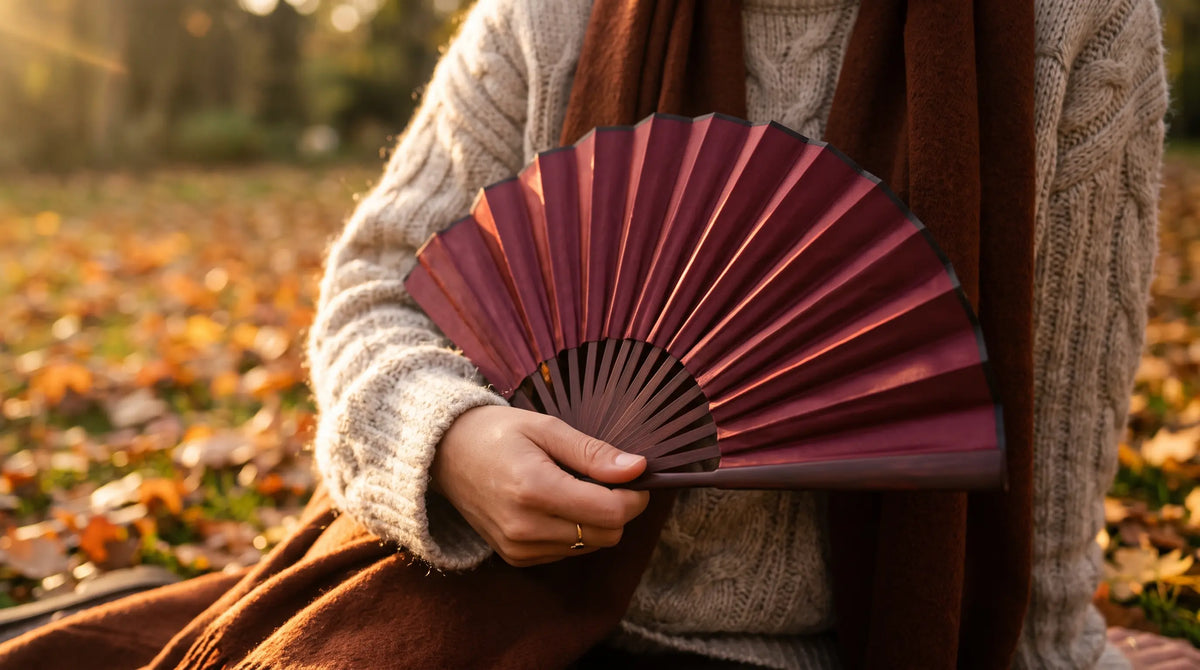
When people refer to fabric folding fans, they are usually talking about materials like cotton, polyester, or blended textiles. These materials are more durable and often more affordable than silk, making them a practical choice for everyday use.
Fabric fans come in a wide range of textures and thicknesses. Some are soft and lightweight, while others are more structured and sturdy. This variety allows for greater flexibility in design and functionality.
Unlike silk, fabric does not have the same natural sheen, but it compensates with durability and ease of maintenance. It is less prone to tearing and can handle more frequent use without showing signs of wear.
Manufacturing Process of Fabric Fans
Fabric fans are typically produced using more standardized processes compared to silk fans. This allows for consistent quality and lower production costs. The fabric is cut, printed, and attached to the fan ribs using adhesives or stitching.
While they may not always have the handcrafted feel of silk fans, modern manufacturing techniques have made it possible to create highly detailed and attractive designs. Digital printing, for example, allows for vibrant patterns and custom artwork.
This makes fabric fans a popular choice for events, promotions, and bulk purchases.
Popular Styles of Fabric Fans
Fabric fans are incredibly versatile in terms of design. You will find everything from minimalist patterns to bold, colorful prints. They are often used in festivals, parties, and casual settings where durability and affordability are key.
They are also a favorite for personalized items. Businesses and event planners often choose fabric fans for branding or themed occasions.
Key Differences Between Silk and Fabric Folding Fans
Material Quality and Texture
Silk feels smooth, soft, and luxurious. Fabric feels more textured and sturdy. The difference is immediately noticeable when you hold them.
Durability and Longevity
Fabric fans generally last longer with regular use. Silk fans require more careful handling but can last just as long if maintained properly.
Price Comparison
Silk fans are usually more expensive due to material and craftsmanship. Fabric fans are budget-friendly and accessible.
Aesthetic Appeal
Silk offers elegance and shine. Fabric offers versatility and bold designs.
Pros and Cons Comparison Table
| Feature | Silk Folding Fans | Fabric Folding Fans |
|---|---|---|
| Texture | Smooth and soft | Textured and sturdy |
| Durability | Delicate | Durable |
| Price | Higher | Affordable |
| Appearance | Elegant and shiny | Versatile and colorful |
| Maintenance | Requires care | Easy to maintain |
Which Folding Fan Should You Choose?
Best for Special Occasions
If you are attending a wedding, formal event, or performance, silk is the clear winner. It adds a touch of sophistication that stands out.
Best for Everyday Use
Fabric fans are ideal for daily use. They are durable, easy to carry, and require minimal care.
Best for Gifting
Silk fans feel more premium, making them better for special gifts. Fabric fans work well for casual or bulk gifting.
Care and Maintenance Tips
How to Care for Silk Fans
Store in a dry place, avoid moisture, and handle gently. Clean with care and avoid harsh conditions.
How to Maintain Fabric Fans
Fabric fans are easier. You can wipe them clean and use them regularly without much concern.
Where to Buy High-Quality Folding Fans
Finding the right folding fan comes down to quality and variety. A reliable place to explore both silk and fabric folding fans is this curated collection:
👉 https://www.getmyfan.com/collections/all
This shop offers a wide range of styles, from elegant silk designs to durable everyday fabric fans. Whether you are shopping for a special event or just want something practical and stylish, you will find options that suit your needs.
Conclusion
Choosing between silk and fabric folding fans is not about which one is better overall. It is about which one fits your lifestyle and purpose. Silk offers elegance and artistry. Fabric offers durability and versatility. Both have their place, and both can enhance your experience in different ways.
FAQs
1. Are silk folding fans worth the price?
Yes, if you value elegance and craftsmanship. They are ideal for special occasions and gifts.
2. Can fabric fans look as good as silk fans?
Absolutely. Modern printing allows fabric fans to feature stunning designs.
3. Which fan lasts longer?
Fabric fans generally last longer with frequent use.
4. Are silk fans hard to maintain?
They require more care but are manageable with proper storage.
5. Where can I buy quality folding fans online?
You can explore a wide selection here: https://www.getmyfan.com/collections/all
Share:
Bamboo Ribs vs Wooden Ribs: Which Folding Fan Is Better?
Why Handmade Folding Fans Cost More (And Why It’s Worth It)