

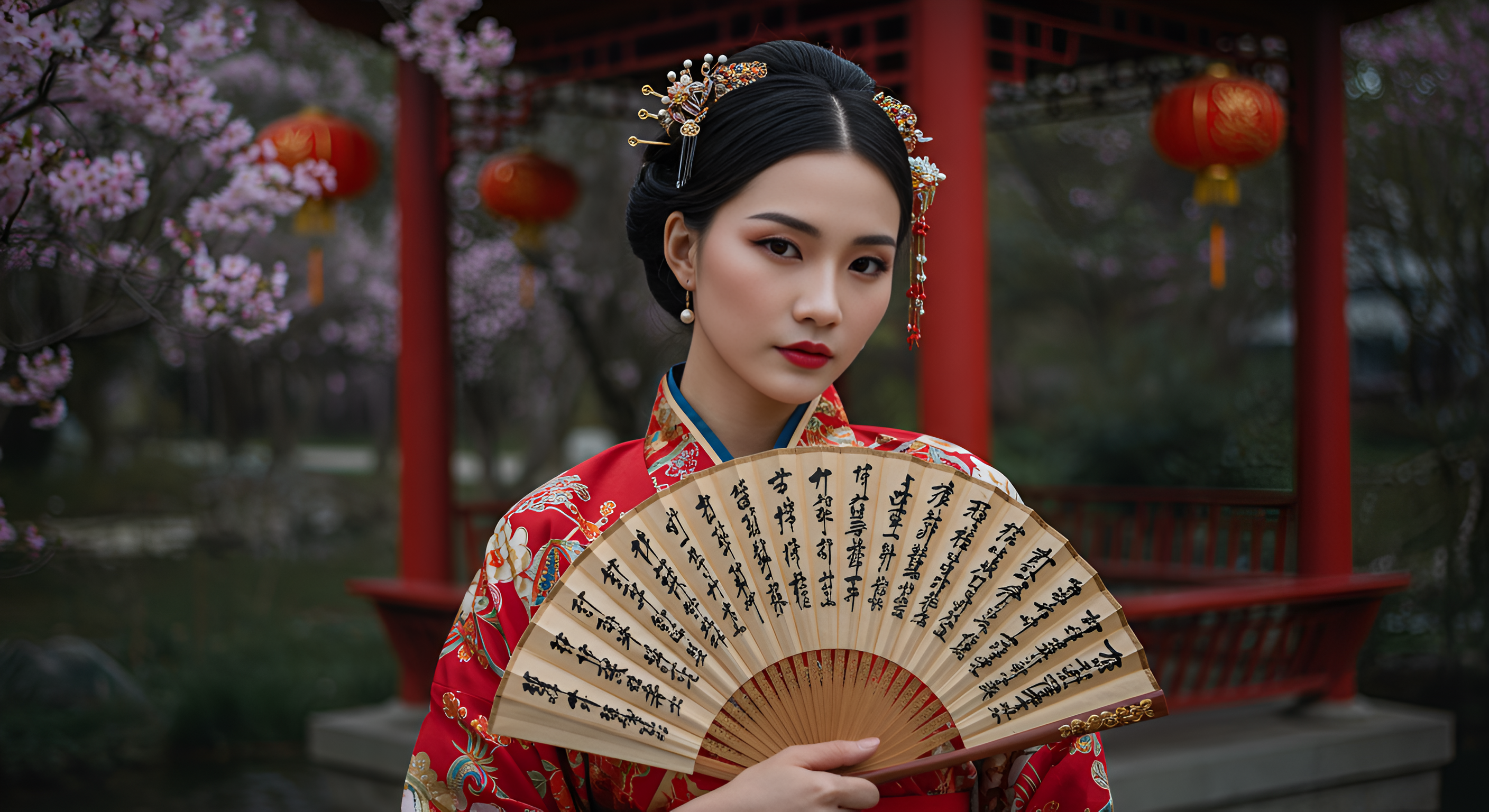
Across centuries, the humble handheld fan has carried more than just a breeze. In both Japanese and Chinese traditions, fans have served as symbols of status, artistry, and communication — blending practicality with cultural meaning in ways that still inspire us today.
Fans in Japanese Tradition
In Japan, the folding fan — or sensu — is said to have originated in the 6th to 9th centuries, inspired by the way bat wings fold. Initially used by aristocrats and court officials, fans quickly became a medium for self-expression. Elaborate designs told stories, depicted seasonal changes, or displayed auspicious symbols.
Fans played a role in Noh and Kabuki theatre, where performers used precise fan movements to convey emotion or represent objects, from a flowing river to falling cherry blossoms. In social settings, the way one held or moved a fan could express subtle gestures of etiquette or flirtation.
Beyond their aesthetic charm, fans were also practical companions in Japan’s humid summers, offering a graceful way to stay cool while maintaining decorum.
Fans in Chinese Heritage
China’s relationship with fans stretches even further back, with records of rigid fans appearing over 3,000 years ago. By the Han dynasty, folding fans were imported from Japan, while Chinese artisans refined their own styles, often using silk or paper mounted on bamboo frames.
In Chinese culture, fans were not only tools for cooling but also canvases for calligraphy and painting. Poets, scholars, and artists would decorate fans with verses, landscapes, or symbolic imagery, turning them into portable works of art.
Fans also carried symbolic significance:
-
Round fans symbolised unity and perfection.
-
Lotus motifs represented purity.
-
Dragons and phoenixes evoked power, luck, and harmony.
They were exchanged as tokens of friendship, respect, and love — a tradition that still resonates in modern gifting.
A Meeting of Function and Beauty
In both cultures, the artistry of a fan was as important as its practicality. Materials like fine silk, gold leaf, and carved bamboo elevated fans into luxury objects, while their portability made them everyday companions.
Today, carrying a fan connects us to this heritage — blending the elegance of centuries past with modern fashion and lifestyle.
Final thought: Whether inspired by Japanese refinement or Chinese symbolism, a fan remains more than just an accessory — it’s a piece of history you can hold in your hand.
Discover a collection of handcrafted fans that blend tradition with contemporary style here: Explore our full range.

Share:
Choosing the Right Fan for a Holiday Party Outfit
How to Personalize a Fan for Your Summer Vacation