

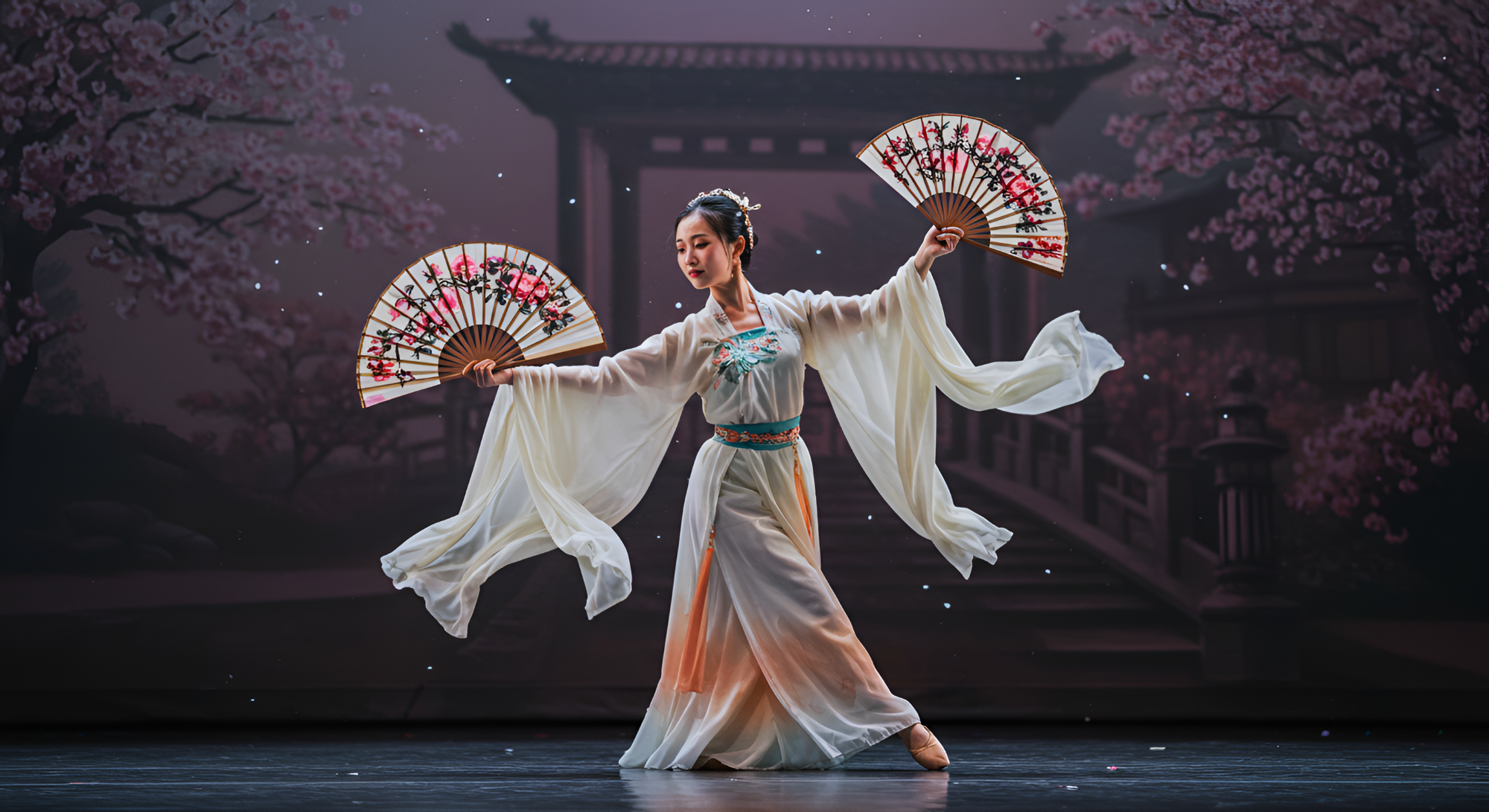
Hand fans may seem like simple tools for keeping cool, but in many parts of the world, they’ve played a far deeper role—especially when it comes to performance and cultural expression. Fan dancing, an elegant and expressive art form, has captivated audiences across centuries and continents, combining movement, storytelling, and symbolism.
But what exactly is fan dancing? And why does it remain such a cherished tradition?
Origins Rooted in Ritual and Performance
Fan dancing has long been practised in cultures around the world. In China, it dates back over 2,000 years, where it was used in rituals, court performances, and celebrations. Dancers used ornate silk fans not only for visual impact but also as tools to mimic natural elements like wind, water, and birds.
In Korea, the buchaechum (traditional fan dance) is performed in colourful hanbok costumes with large fans painted with peony blossoms. The dancers’ movements are graceful and synchronised, representing harmony and the beauty of nature.
Japan also has a long-standing tradition of fan dancing through Nihon Buyō, where folding fans are used as symbolic extensions of the hand. Every flick or wave tells a story—from falling petals to seasonal change.
More Than Just Movement
What sets fan dancing apart from other traditional dances is how it uses props as an active part of the choreography. The fan isn’t just held—it’s woven into the performance. Fans can hide the face to portray mystery, open with a snap for drama, or glide gently to evoke calm.
In many cultures, the fan becomes a character of its own—adding elegance, symbolism, or even humour depending on the context of the dance.
A Living Tradition in Modern Times
While deeply rooted in heritage, fan dancing hasn’t faded into the past. Today, it continues to evolve—appearing on international stages, in festivals, and even in fusion performances that blend traditional moves with modern music and styles.
It’s also seen a resurgence in contemporary burlesque and cabaret shows, where large feather fans add a touch of glamour and theatrical flair. While these styles differ from their cultural counterparts, they still celebrate the grace and spectacle of movement with a fan.
Fans: The Silent Stars
Fan dancing reminds us that beauty often lies in simplicity. A well-crafted fan, whether made of silk, bamboo, or feathers, becomes more than an accessory—it becomes a means of expression. And watching a skilled dancer breathe life into it is truly mesmerising.
If this post has sparked your interest in the beauty of fans—whether for cultural appreciation, performance, or everyday elegance—you might enjoy browsing a curated collection of decorative and practical fans in our shop. From timeless designs to statement pieces, there's something to admire in the art of the fold.
Share:
Hand Fans & Beach Fashion: The Perfect Pairing
Why Fans Are a Must-Have for Garden Parties & Picnics