

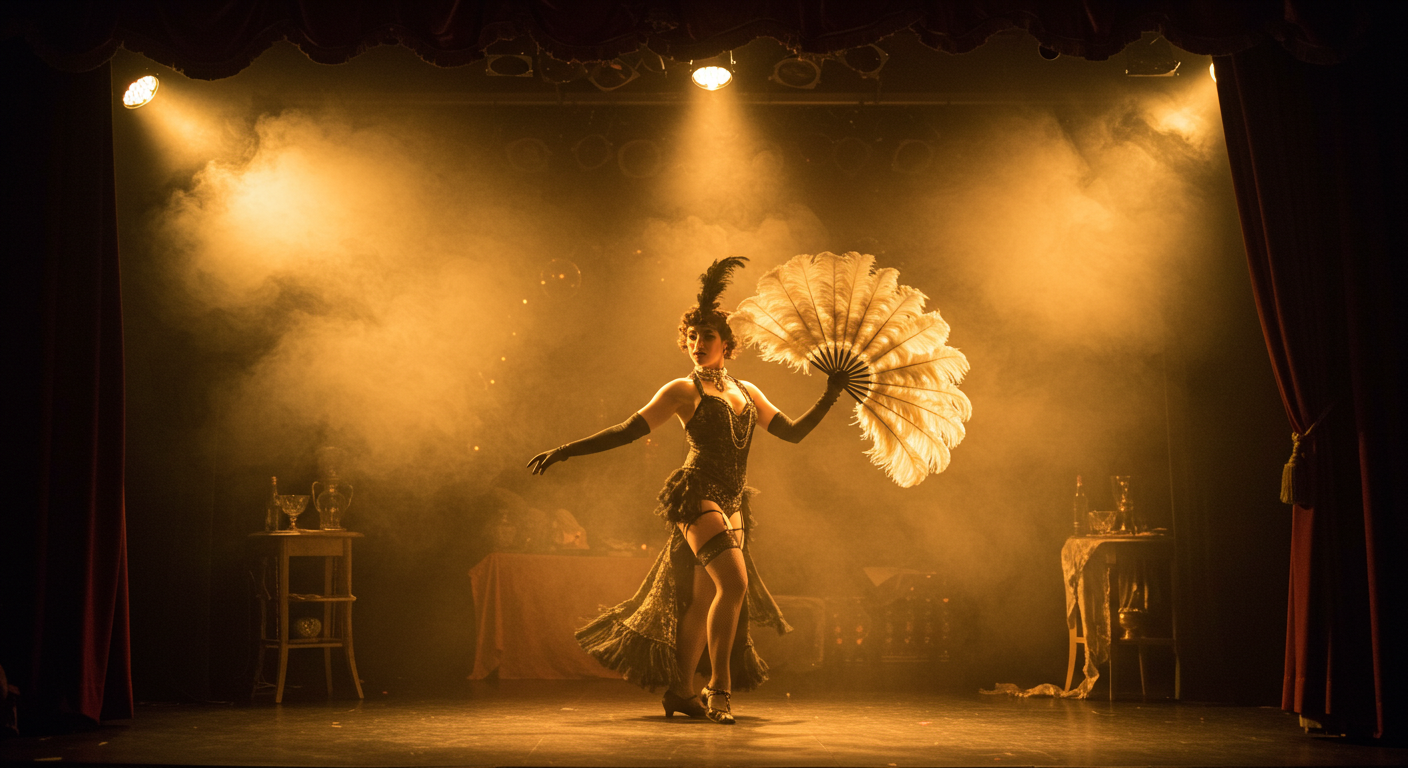
From Shakespearean dramas to modern-day cabaret, the humble hand fan has long played a starring role on stage. Often seen as little more than a stylish accessory, fans in theatre have a surprisingly rich history—adding drama, symbolism, and storytelling power to performances across cultures and genres.
A Silent Language of Gesture
In classical theatre, particularly during the 18th and 19th centuries, folding fans were used by actors to communicate a whole spectrum of emotions—without uttering a word. A snap of the fan might signal anger, while a slow flutter could suggest nervousness or desire. In many period dramas, fans became an extension of the character, offering performers a graceful way to convey unspoken intentions.
This art of “fan language” was especially popular in European courts and has since been adapted into theatrical storytelling as a subtle yet powerful tool.
Creating Visual Impact on Stage
Theatre is as much about visual spectacle as it is about dialogue. Fans—especially larger silk or feather fans—can transform a performance by adding elegance, flair, or even tension. In dance productions like flamenco or burlesque, fans are used to create dynamic movement, punctuating choreography with bold gestures or moments of conceal-and-reveal.
Lighting designers also love using fans for the way they interact with stage lights. A shimmering silk fan can catch the spotlight beautifully, while the shadow play of an open fan can create a mood all on its own.
Cultural Significance in Performance
In Eastern theatre traditions, such as Japanese Noh or Chinese opera, fans are deeply symbolic. They represent nature, seasons, social status, or even specific characters. A fan might stand in for a sword, a butterfly, or a gust of wind—showing just how versatile these props can be.
Such performances rely on centuries-old traditions where fan movements are choreographed with precision, offering audiences a layered, immersive experience.
Timeless Appeal for Modern Stages
Today’s theatre productions—whether amateur or professional—continue to use fans for their charm, elegance, and expressive power. From West End costume dramas to contemporary dance shows, they remain a go-to prop for directors and performers looking to add depth and drama to their scenes.
Feather fans, silk folding fans, and vintage-inspired designs are particularly popular for cabaret, burlesque, and festival shows. Their ability to evoke a specific mood or period makes them a favourite for stage professionals and costume designers alike.
Whether you're preparing for a stage performance or simply admire the theatrical elegance of hand fans, the world of theatre reminds us of their timeless power.
Explore a wide range of beautifully crafted fans—perfect for both performance and everyday elegance—at getmyfan.com.
Share:
The Best Large Rave Fans for Music Festivals & Performances
The Best Feather Fans for Cabaret & Dance Shows