

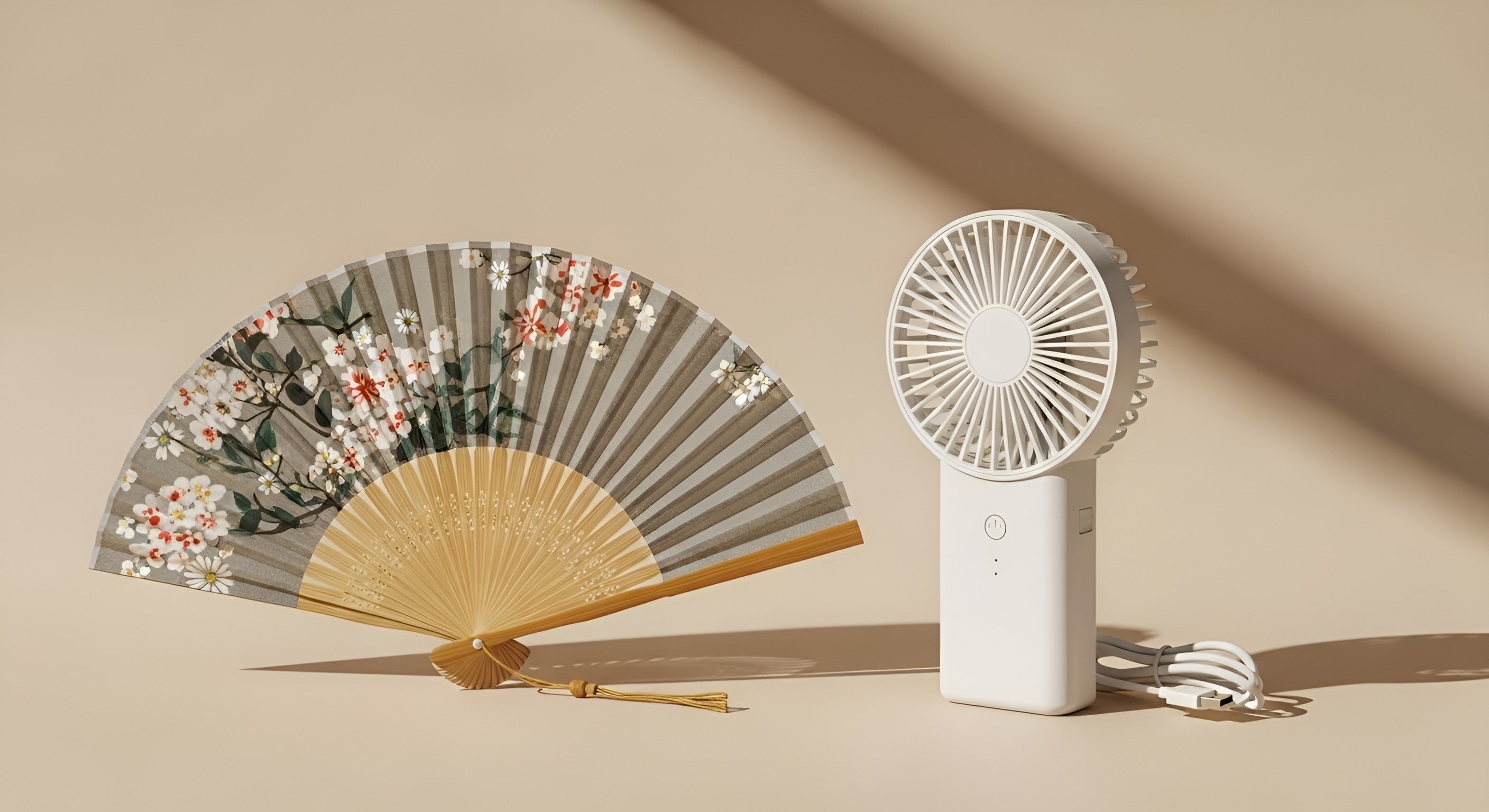
In a world powered by electricity and dominated by modern gadgets, it's easy to overlook the charm—and practicality—of traditional tools. One such overlooked item is the humble hand fan. We’re so accustomed to plugging in devices that the idea of using something as simple as a folding fan seems almost quaint. But take a step back, and you’ll see there’s real merit in going manual.
Hand fans vs electric fans isn’t just a comparison of old vs new—it’s a conversation about sustainability, convenience, aesthetics, and lifestyle choices. While electric fans definitely serve their purpose, there are countless situations where hand fans shine brighter, offering advantages that no battery-powered or plug-in device can match.
This article will walk you through a deep dive into the world of manual fans, compare them head-to-head with their electric counterparts, and highlight situations where hand fans come out on top. Whether you're exploring minimalist living, eco-conscious choices, or simply looking for a practical yet beautiful way to stay cool, this read is for you.
History of Hand Fans
Before air conditioners and oscillating fans, people across the world used hand fans to beat the heat. These elegant tools date back thousands of years, with origins found in Egypt, China, Japan, and Greece. In many cultures, fans weren’t just practical—they were symbols of status, beauty, and artistry.
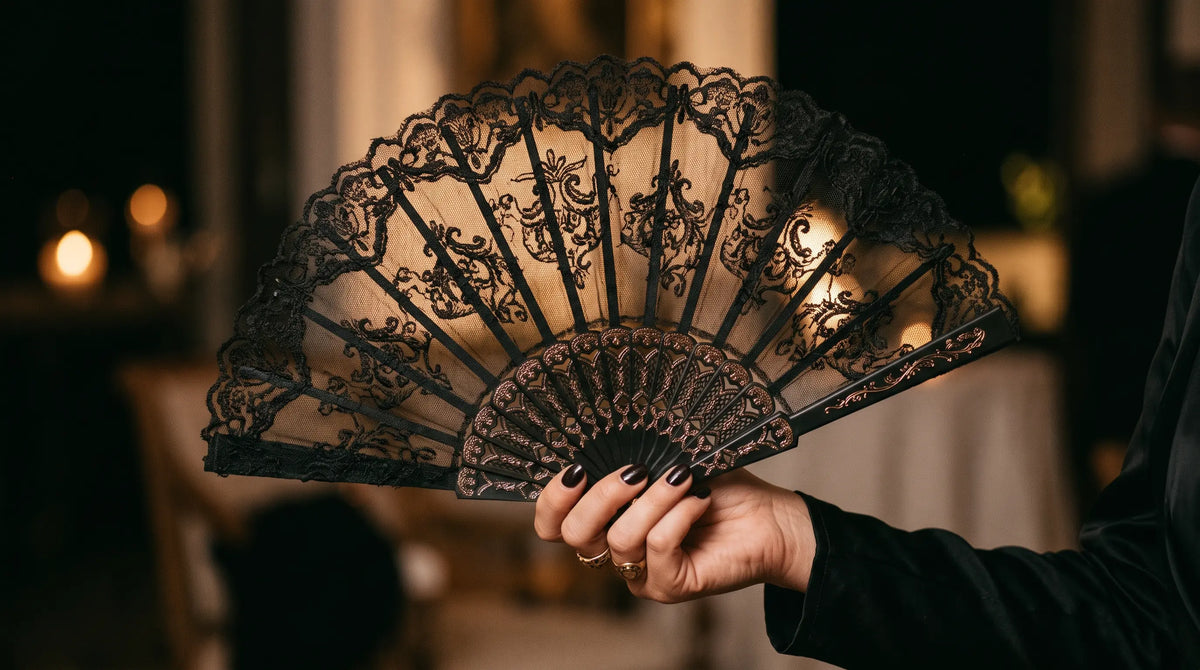
In ancient China, folding fans were crafted with bamboo frames and silk or paper surfaces, often adorned with intricate calligraphy or paintings. Japanese "sensu" fans were used in traditional dance, tea ceremonies, and even martial arts. Meanwhile, in Europe, fans became essential accessories for noblewomen during the Renaissance, made of lace, ivory, and feather.
Each fan told a story—about its owner, its maker, and its purpose. Over time, fans became not only cooling tools but also carriers of art, fashion, and personal expression. This long and colorful history adds richness and cultural value that modern electric fans simply can’t replicate.
The Rise of Electric Fans
Fast forward to the late 19th century—the birth of electric fans. As electricity became widely accessible, innovators started developing mechanical cooling devices. By the early 20th century, fans were a staple in homes and offices.
From clunky metal blades to today’s sleek, bladeless smart fans, electric cooling has come a long way. Features like remote controls, variable speed settings, and oscillation make electric fans versatile and user-friendly. And when summer hits hard, having a steady breeze at the push of a button is undeniably convenient.
But convenience comes with a cost: energy consumption, noise, and dependency on electricity. Plus, let’s face it—most electric fans are not designed to be beautiful. They’re functional, yes. But stylish? Not really.
Portability: A Clear Win for Hand Fans
Ever tried carrying an electric fan in your handbag? Not happening. Hand fans, on the other hand, are super portable. They fit into small purses, glove compartments, and even your back pocket. Whether you're commuting, at a festival, or chilling at the park, a folding fan offers instant relief without a power outlet in sight.
Here’s where manual fans shine—they work anytime, anywhere. No batteries. No charging. No cords. Just a flick of the wrist, and you're cool again.
For travelers, outdoor enthusiasts, or anyone constantly on the move, the hand fan is a go-to companion. It’s not just functional, it’s empowering. You're in control—literally. And unlike clunky portable electric fans, there’s no hassle of lugging around weighty devices or searching for plugs.
Eco-Friendliness: Manual Wins Again
If you’re trying to live more sustainably, hand fans are your best friend. These eco-friendly cooling solutions don’t need power, batteries, or replacement parts. That means zero energy usage, no e-waste, and no emissions—just a breeze created by your own hand.
Most hand fans are made from biodegradable and renewable materials like bamboo, paper, wood, or cotton. Unlike plastic-heavy electric fans, they have a much lower environmental impact. You won’t be tossing them in a landfill when they break—instead, they can often be repaired, reused, or composted depending on their materials.
Choosing a manual fan is a small but powerful way to reduce your carbon footprint and support a greener future. In a world where every watt counts, this little accessory proves you don’t need electricity to stay cool and conscious.
Cost Comparison: Save More with Hand Fans
Let’s talk money. A good electric fan can cost anywhere from $30 to over $300, depending on the brand and features. Add in the ongoing electricity usage, potential maintenance, and replacement costs, and you’ve got a not-so-cheap cooling method.
Now, consider hand fans. Most range between $10 and $50, depending on design, material, and craftsmanship. And that’s a one-time purchase—no monthly energy bills, no mechanical breakdowns, no replacement parts needed.
For families, students, and budget-conscious buyers, that’s a game changer. Imagine beating the heat without draining your wallet. With a hand fan, you get cooling on demand without the financial baggage of electric alternatives. Smart, right?
Silent Operation: The Peace of Hand Fans
Ever tried to enjoy a quiet moment while an electric fan buzzes in the background like an angry mosquito? That soft hum may not seem like much during the day, but at night or in a quiet space, it can be distracting. This is where hand fans truly shine.
Manual fans make zero noise. The only sound you'll hear is the gentle rustle of air and maybe the swish of the fan itself. It's a calming, natural sound—nothing mechanical, nothing artificial. This makes hand fans ideal for environments that require peace: meditation sessions, libraries, yoga classes, or even while putting your baby to sleep.
For those who are sensitive to sound or dealing with anxiety, having a quiet method of cooling can enhance relaxation instead of disrupting it. It’s also a perfect solution for shared spaces, where your fan's noise might disturb others. You get cool comfort without bothering anyone else around you.
Electric fans can’t compete on this front. Their motors and blades inherently make noise—even at the lowest settings. So if tranquility is what you’re after, the hand fan is your silent ally.
Style & Aesthetic: Art You Can Use
Let’s be real—most electric fans are functional but forgettable. They sit in a corner and do their job, but they’re not exactly Instagram-worthy. Hand fans, however? They’re walking art.
Available in a wide range of styles, from traditional Asian motifs to modern prints, from minimal bamboo designs to intricately hand-painted collectors' pieces, folding fans are as much a fashion statement as they are a tool. They can be coordinated with outfits, used as props in photography, or simply admired for their craftsmanship.
In cultures like Japan and Spain, fans are still part of formal dress, ceremonial events, and dance performances. Even today, people use them at weddings, galas, and cultural festivals to add flair and elegance.
What’s more, they’re great conversation starters. Pull one out at a summer party or outdoor event, and watch how many compliments you get. With a hand fan, you’re not just cooling down—you’re showing off a bit of personal style. It’s function and fashion rolled into one beautiful fold.
Versatility: More Than Just Cooling
Electric fans serve one purpose: moving air. That’s it. Hand fans? They’ve got a whole range of uses beyond just helping you chill.
-
Performance & Dance: In traditional dances across Asia, Spain, and Africa, fans are used to tell stories, express emotions, and add flair to movement.
-
Ceremonial Use: In weddings, religious ceremonies, and even royal rituals, fans hold symbolic significance.
-
Decorative Pieces: A well-made hand fan can be framed and hung on a wall. Many people collect them as souvenirs or art.
-
Gifting: They're unique, thoughtful gifts that blend practicality with aesthetic appeal. Great for birthdays, cultural holidays, or "just because."
With such a broad spectrum of uses, hand fans are more than tools—they’re part of traditions, decor, fashion, and expression. Try doing all that with an electric fan!
Health Considerations: Gentle and Natural Cooling
Let’s talk about something rarely discussed—how fans affect your body. Electric fans work by moving a constant stream of air over your skin, which cools you down by accelerating sweat evaporation. But sometimes, that constant blast can be too much.
For people with sensitive skin, dry eyes, allergies, or respiratory issues, this can be irritating. Electric fans also tend to blow dust and allergens around, especially if not cleaned regularly, worsening indoor air quality.
Hand fans, by contrast, offer a softer, more controlled breeze. You’re not stuck with a single speed—you can go as gentle or strong as you need. They don’t stir up dust, they don’t dry out your eyes, and they don’t blast your face for hours on end. The result? Comfort without the discomfort.
They're also safer. No spinning blades, no cords for kids or pets to trip over. Just you, your hand, and the breeze. For the health-conscious or those in sensitive situations (think hospitals, elderly care, or baby nurseries), hand fans are a gentler, smarter choice.
Energy Independence
You know that dreaded feeling during a power outage in the middle of a heatwave? Electric fans turn into lifeless plastic shells. But hand fans? They keep going.
Manual fans don’t rely on electricity, batteries, or solar power. They're always ready, no matter the circumstances. Whether you’re camping in the woods, attending an outdoor event, or stuck in a blackout, hand fans offer cooling you can count on.
In emergency kits, hand fans are often overlooked, but they’re incredibly valuable. They're small, lightweight, and provide instant relief without the need for charging or spare parts. When you're in a place with no access to power, a folding fan can feel like a life-saver.
Going off-grid? Traveling internationally? Living in areas with frequent blackouts or heatwaves? A hand fan is your pocket-sized emergency AC.
Space-Saving and Storage-Friendly
Space is a luxury, especially in tiny homes, dorm rooms, urban apartments, and travel luggage. Electric fans are bulky. Even “portable” ones take up shelf space and often need safe storage during off-seasons.
Hand fans, on the other hand, are the champions of compact design. Most fold down to the size of a phone—or smaller. They can be tucked into drawers, bags, glove boxes, and even jacket pockets. No need for stands, covers, or dedicated storage.
Traveling? You’ll barely notice it's there. At home? Keep one in every room without clutter. The sheer convenience of storage is a game changer for anyone short on space.
Minimalists love hand fans for exactly this reason. You don’t need to sacrifice comfort for simplicity—just unfold, fan, and fold again. That’s it.
When Electric Fans Make Sense
Okay, let’s be fair—electric fans have their place. For large rooms, prolonged cooling, or overnight use, they’re practical. If you’re sleeping in a hot climate, you probably don’t want to wave a fan for hours in the dark. That’s where electric fans shine.
They’re also useful for ventilation, helping to circulate air in stuffy rooms or drying out damp areas. In environments where you need consistent airflow—like a home office or kitchen—electric fans do a solid job.
So no, we’re not here to bash electric fans. Instead, we’re highlighting how hand fans complement, not replace, them. It’s not about either/or—it’s about knowing when manual is the better choice.
Finding the Right Balance: Use Both
There’s no need to choose sides in the hand fan vs electric fan debate. In reality, the best approach is to use both, depending on your needs and the situation.
Use your electric fan for:
-
Sleeping
-
Cooling large spaces
-
Background ventilation
Use your hand fan for:
-
Traveling
-
Outdoor events
-
Power outages
-
Quiet spaces
-
Personal, up-close cooling
By blending both into your lifestyle, you’re maximizing comfort, saving energy, and adding a bit of style and culture to your daily routine.
Where to Find Quality Hand Fans
Not all hand fans are created equal. Cheap plastic fans break easily, feel flimsy, and just don’t deliver the same satisfaction. If you're going to embrace manual cooling, invest in well-crafted, high-quality fans that offer both durability and beauty.
We recommend shopping from trusted sellers who focus on design, material, and craftsmanship. One such place is https://www.getmyfan.com/collections/all, where you’ll find a wide range of unique, handcrafted, and functional folding fans suitable for every occasion.
From minimalist bamboo fans to stunning artistic pieces, the selection offers something for everyone. Whether you're buying for yourself or picking up a thoughtful gift, this shop delivers quality you can trust.
Conclusion
Hand fans may seem old-fashioned, but in many ways, they’re the cooler choice—pun intended. They offer unmatched portability, silence, style, affordability, and eco-friendliness. Sure, electric fans have their uses, especially for extended or high-power cooling. But for everything else? Hand fans are unbeatable.
In a world driven by convenience and speed, hand fans invite us to slow down, enjoy the breeze, and reconnect with tradition. They’re not just tools; they’re expressions of art, culture, and sustainable living. So next time the heat hits, don’t just plug in. Pick up a fan, and wave your way to comfort.
FAQs
1. Are hand fans effective in really hot weather?
Yes! While they don't cool a room like electric fans, they provide direct, instant relief. Plus, they work well in dry or humid heat, and are especially effective outdoors.
2. What materials are best for hand fans?
Bamboo and wood frames with fabric or paper are the most popular. They're lightweight, durable, and often biodegradable, making them eco-friendly too.
3. How long do hand fans last?
With proper care, a quality hand fan can last years. Avoid dropping them or getting them wet, and store folded to keep the structure intact.
4. Can children use hand fans safely?
Absolutely. In fact, they’re safer than electric fans, which have moving blades and cords. Just choose a lightweight model with smooth edges for kids.
5. Why are hand fans still popular in some cultures?
Because they’re deeply rooted in tradition. In countries like Japan, Spain, and China, hand fans are part of ceremonies, dances, fashion, and daily life—even today.
Share:
Why Bamboo Folding Fans Are Better Than Plastic Alternatives
Are Folding Hand Fans Eco-Friendly? A Sustainable Cooling Guide