

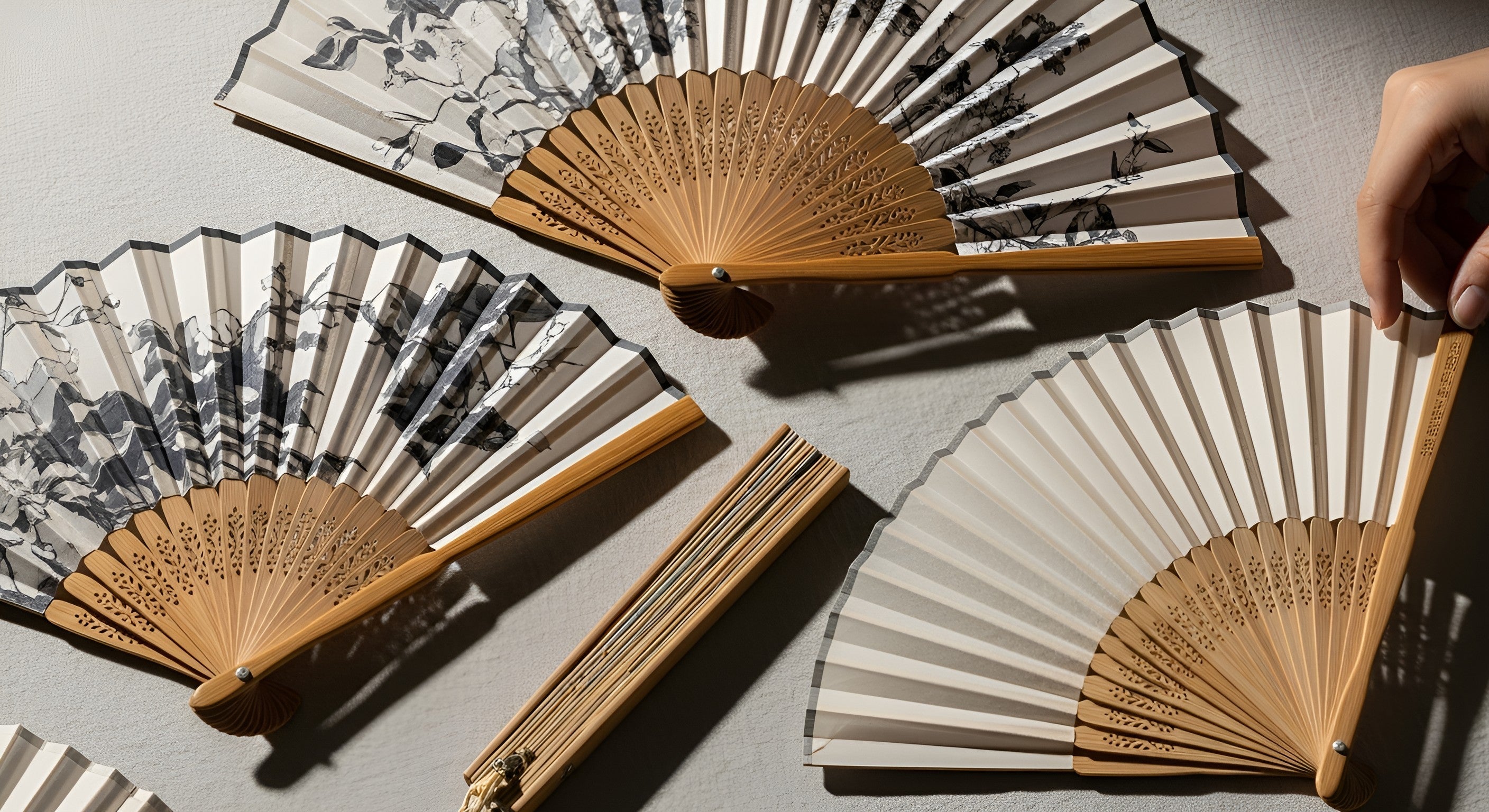
So, you've found a beautiful folding hand fan—maybe one with an elegant floral print or a traditional bamboo frame—and now you're wondering, how long will this actually last me? It's a great question, and one that many buyers overlook until their fan breaks far too soon.
The truth is, the lifespan of a folding hand fan depends on a few key factors: the materials used, how often you use it, how you store it, and whether it's handmade or mass-produced. Some fans can last a few months with regular use, while others—especially well-crafted artisan fans—can last for years, even decades, with proper care.
In this article, we’re going to break it all down for you. And if you're shopping with long-term value in mind, we’ll show you exactly what to look for and why shops like GetMyFan are your best bet for fans that truly last.
Why Fan Longevity Matters More Than You Think
Here’s the deal: a folding hand fan isn't just a fashion accessory. It's something you carry, open and close repeatedly, and rely on—especially in hot weather or during performances and events. When it breaks mid-use? It’s not just annoying, it’s embarrassing.
If you’re a dancer, cosplayer, wedding guest, or even just a fan enthusiast, having a durable fan is crucial. You want one that doesn’t fall apart after three folds or lose its shape after a little humidity.
Investing in a longer-lasting fan saves you:
-
Money (no need to keep replacing broken ones)
-
Time (no more endless re-shopping)
-
Stress (no embarrassing fan malfunctions mid-event)
A long-lasting fan is worth every penny—and you’ll find plenty of them at GetMyFan, where durability meets elegance.
Understanding the Build: What Makes a Fan “Quality”?
If you want to predict how long a fan will last, you have to understand what goes into making a high-quality fan. It's not just about looks—it's about structure.
Materials Matter
-
Fabric: Silk and cotton are durable, while thin paper can be delicate. Polyester can be hit-or-miss depending on quality.
-
Frame: Bamboo and sandalwood are excellent long-term choices. Plastic frames are cheaper but often more fragile.
Construction Quality
-
Tight rivets: The pivot point should be firm but smooth.
-
Even folds: A fan with uneven folds will degrade faster.
-
Clean joins: Where the fabric meets the frame should be secure and without glue overflow.
This kind of craftsmanship is exactly what you’ll find in the premium fan selection at GetMyFan. They’re designed not just to look good—but to last.
Average Lifespan of Folding Hand Fans by Material
Let’s get specific. Here’s how long folding hand fans typically last, based on their materials and construction:
| Material | Average Lifespan (with proper care) |
|---|---|
| Thin paper | 1–3 months (light use) |
| Thick artisan paper | 6–12 months |
| Silk/fabric | 2–5 years |
| Bamboo frame | 3–10 years |
| Plastic frame | 6 months–2 years |
| Wood (sandalwood, birch, etc.) | 5–15 years |
Of course, these are averages. With proper care, many high-end fans—especially those at GetMyFan—can surpass these numbers easily.
How Often Are You Using the Fan?
Usage frequency is a big deal when it comes to longevity.
-
Daily use (e.g., for commuting, walking, outdoor jobs): Choose a durable, sturdy design with breathable fabric and a resilient frame.
-
Occasional use (e.g., weddings, cultural events): More delicate or ornate fans are fine since they aren’t being stressed often.
-
Display only: Aesthetic over function. Longevity isn't a big concern unless you're handling it frequently.
If you’re using your fan every day, think of it like a favorite bag or pair of shoes—it needs to be built for wear and tear. That’s where GetMyFan excels. Their fans aren’t just pretty—they’re made to be used.
Environmental Factors That Affect Longevity
Even the best fan won’t last forever if it’s exposed to damaging elements. Here’s what to watch out for:
-
Humidity: Can warp wooden frames or make paper fans soggy.
-
Sunlight: Fades prints and weakens fabric over time.
-
Rain or moisture: A major enemy of paper fans and untreated wood.
-
Storage conditions: Fans left folded while wet or stored in tight spaces can crease or tear.
Best practice? Store your fan in a cool, dry place, preferably in a cloth pouch or protective box—many fans at GetMyFan even come with their own cases.
Signs Your Folding Fan Is Wearing Out
Not sure when it’s time to retire your current fan? Here are the most common signs it’s nearing the end:
-
Fabric tearing at the folds
-
Frame splinters or loosens
-
Rusting or squeaky rivets
-
Fading or flaking paint/designs
-
Uneven or jammed folding
If your fan’s becoming more frustrating than functional, it’s probably time to invest in a new one—and a better one. Check out GetMyFan’s collection for options that last far longer.
Can Folding Fans Be Repaired or Refurbished?
In some cases, yes. Minor issues like squeaky rivets or slightly loose fabric can be fixed with careful DIY methods. But in most cases, especially with cheaper fans, the cost and effort of repair outweigh the benefits.
Repairable:
-
Loose pivot screws
-
Small fabric lifts
-
Decorative embellishment loss
Not worth repairing:
-
Torn folds
-
Cracked frame ribs
-
Warped wood from moisture
The better investment? Buy a fan built to last from the start. GetMyFan carries fans that rarely need fixing—and even if they do, their build quality makes repairs easier.
Handmade vs. Machine-Made Fans: Which Lasts Longer?
Handmade fans typically last longer. Why?
-
They’re made with better materials.
-
They’re constructed with precision and care.
-
Artisans reinforce weak points that machines often miss.
Machine-made fans often prioritize volume over quality, meaning they can’t withstand heavy use. Artisan fans—like many featured at GetMyFan—are designed to endure daily folding and handling.
The Importance of Proper Storage
If you want your folding hand fan to last for years instead of months, storage is not optional—it’s essential. Surprisingly, many fans that “wear out” aren’t actually used up; they’re stored poorly. Think of your fan like a delicate book or a fine silk scarf. How you put it away determines how well it survives over time.
First, always make sure your fan is completely dry before storing it. Even slight moisture trapped between folds can lead to mold, fabric weakening, or warped wooden ribs. This is especially important if you’ve used your fan outdoors, at the beach, or during humid weather.
Second, store your fan in a protective sleeve or box. Leaving it loose in a bag invites pressure, bending, and accidental snapping. Many quality fans from GetMyFan come with fabric pouches designed specifically to prevent this kind of damage.
Finally, avoid extreme conditions:
-
Don’t store fans in cars (heat warps wood and fades fabric)
-
Avoid direct sunlight for long periods
-
Keep away from heavy objects that could crush the ribs
With proper storage alone, you can easily double—or even triple—the lifespan of a quality folding hand fan.
Cleaning and Maintenance Tips for Folding Fans
A little maintenance goes a long way. You don’t need to baby your fan, but you do need to treat it with some respect if you expect it to last.
For fabric or silk fans, gently dust them with a soft, dry cloth. If there’s light dirt, a slightly damp cloth can help—but never soak the fabric. Water weakens adhesives and causes fabric to loosen from the ribs over time.
For paper fans, cleaning should be minimal. Light brushing or air dusting is best. Any moisture can cause rippling or tearing.
For wooden or bamboo frames, occasional wiping with a dry cloth keeps them smooth and splinter-free. Some collectors lightly condition wood with natural oils, but this should be done sparingly and carefully.
Also, open and close your fan gently. Snapping it aggressively may look dramatic, but repeated force shortens its life. Quality fans—like those from GetMyFan—are designed to move smoothly, not violently.
Does Price Reflect Durability in Hand Fans?
Short answer? Most of the time—yes.
Cheap folding fans are often made with thin paper, weak glue, and low-grade plastic frames. They’re designed for short-term use, souvenirs, or single events. That’s fine if you only need a fan once—but not if you want something dependable.
Mid-range to premium fans typically offer:
-
Better materials (silk, cotton, bamboo, sandalwood)
-
Reinforced pivot points
-
Cleaner folds and stronger fabric attachment
While a higher-quality fan may cost more upfront, it often ends up being cheaper long-term because you’re not constantly replacing it. A single well-made fan from GetMyFan can easily outlast five or six bargain fans.
So instead of asking, “Why is this fan more expensive?” ask, “How long do I want this to last?”
How to Test Durability Before Buying
When shopping online, you can’t physically hold the fan—but you can still judge durability if you know what to look for.
Here’s how smart buyers do it:
-
Read product descriptions carefully (materials should be clearly listed)
-
Look at close-up images of the ribs and pivot
-
Check reviews for comments on longevity and repeated use
-
Avoid vague listings that don’t specify frame or fabric type
A trustworthy shop doesn’t hide details. At GetMyFan, materials, sizes, and craftsmanship details are clearly shown—making it easier to choose a fan that fits your needs and lasts as long as you expect.
Real Customer Experiences with Long-Lasting Fans
One of the best ways to understand fan longevity is through real user experiences. Many customers who invest in quality folding hand fans report using the same fan for years—sometimes even passing them down as keepsakes.
Common feedback from long-term users includes:
-
“Still folds smoothly after years of use”
-
“No tearing at the folds”
-
“Wood frame stayed straight and strong”
-
“Design hasn’t faded”
These are exactly the kinds of results you want—and they’re far more common when buying from a specialized store like GetMyFan, rather than generic marketplaces.
Where to Find Quality Folding Hand Fans That Last
If you’re serious about buying a folding hand fan that won’t disappoint, where you shop matters just as much as what you buy.
GetMyFan focuses on:
-
High-quality materials
-
Artisan and premium designs
-
Fans meant for real use, not just decoration
-
A wide variety of styles, sizes, and purposes
Whether you need a daily-use fan, a performance fan, or a beautiful long-term accessory, GetMyFan offers options that are built with longevity in mind.
Instead of asking, “How long will this fan last?”—you’ll find yourself saying, “I’ve had this fan for years.”
Conclusion
So, how long do quality folding hand fans last? The honest answer: a very long time, if you choose wisely.
With the right materials, thoughtful craftsmanship, proper care, and smart storage, a quality folding hand fan can last anywhere from several years to over a decade. Handmade fans, in particular, often outlive mass-produced ones by a wide margin.
If you’re tired of replacing broken fans and want something reliable, stylish, and built to endure, it’s time to invest in quality. Explore the full collection at GetMyFan and find a folding hand fan that truly stands the test of time.
FAQs
1. How long does a silk folding hand fan last?
With proper care and storage, a silk folding fan can last anywhere from 2 to 10 years, depending on usage and build quality.
2. Can I use a folding hand fan daily?
Yes, as long as it’s designed for frequent use. Look for strong wooden frames and durable fabric, like those available at GetMyFan.
3. What’s the best way to store a folding hand fan?
Store it dry, folded properly, and inside a protective pouch or box. Keep it away from heat, moisture, and direct sunlight.
4. Do handmade fans last longer than factory-made ones?
In most cases, yes. Handmade fans typically use better materials and construction methods, making them more durable over time.
5. Where can I buy durable, high-quality folding hand fans?
You can find a wide range of long-lasting, beautifully crafted folding hand fans at GetMyFan.

Share:
Common Folding Hand Fan Mistakes Buyers Make
How Folding Hand Fans Elevate Minimalist Fashion