

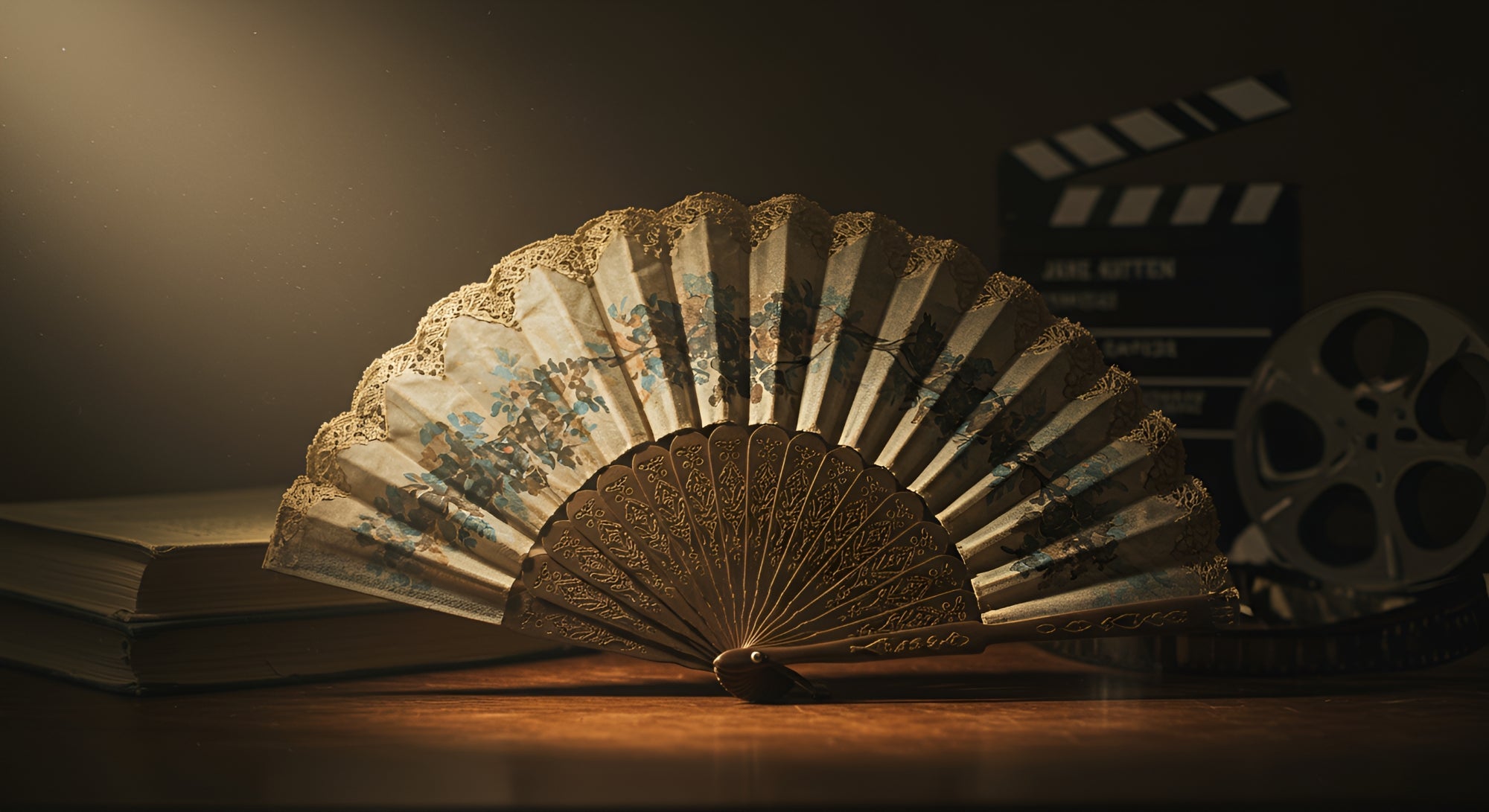
In an era dominated by modern technology, the humble hand fan — elegant, silent, and steeped in history — may seem like a relic. Yet, for centuries, it has served not just as a functional item for staying cool, but as a symbol of art, expression, and social communication. In classic literature and film, the hand fan has quietly played some of the most expressive supporting roles.
A Whisper of Elegance in Literature
In the pages of classic novels, particularly those set in the 18th and 19th centuries, hand fans appear frequently in the hands of aristocratic women — not merely to combat the heat, but to convey messages that words could not. In Jane Austen’s social ballrooms, a single flick or flutter of a fan could signal anything from polite indifference to flirtatious intrigue.
Beyond Austen, in works of French, Spanish, and Asian literature, the fan often takes on deeper cultural and symbolic significance. In Japanese tales, for instance, fans were tied to rituals, status, and even storytelling — their designs sometimes hinting at the season, the wearer’s mood, or their place in society.
Fans on the Silver Screen
Hand fans transitioned seamlessly into cinema, becoming visual extensions of personality and power. In period dramas, the fan acts as a prop of refinement — shielding expressions, creating allure, or emphasizing status. In Gone with the Wind, a delicately held fan in Scarlett O’Hara’s hand accentuates both charm and cunning. Meanwhile, in Memoirs of a Geisha, the fan becomes a tool of performance and precision — embodying grace and quiet strength.
Even in modern reinterpretations of historical eras, the hand fan continues to symbolize refinement, mystery, and timeless beauty.
The Legacy Lives On
Today, while their everyday use may have faded in many cultures, hand fans still carry a unique elegance that transcends time. Whether used as home décor, part of a costume, or a personal statement during warmer seasons, they evoke a certain nostalgia — a connection to the quiet sophistication of the past.
And for those who appreciate the blend of history, craftsmanship, and understated charm, traditional hand fans remain more than relevant — they are collectibles, gifts, and conversation pieces.
Curious about hand fans and their enduring charm? You can explore a variety of handcrafted fans in our collection — each piece carries a bit of history and elegance into the present day.
Share:
Why Handmade Fans Are the Perfect Personal Gift
How to Choose the Perfect Fans for a Summer Wedding