


The Timeless Appeal of Folding Hand Fans
A Brief History of Folding Fans
Folding hand fans are one of those rare objects that blend practicality with artistry in a way that feels almost effortless. Long before modern cooling solutions existed, people relied on these elegant tools not just to stay comfortable but to express identity, taste, and even social status. The earliest folding fans are believed to have originated in Japan, inspired by the natural motion of folding leaves or wings. Over time, this clever design spread into China and later reached Europe, where it quickly became a fashionable accessory among aristocrats.
By the time folding fans arrived in Europe during the 16th century, they had already evolved into highly decorative items. Wealthy individuals would commission artists to hand paint intricate scenes onto silk or paper, turning each fan into a miniature masterpiece. Some fans even told stories or symbolized romantic messages, making them deeply personal objects. Imagine attending a grand ball where every subtle flick of a fan could communicate a hidden message. That was the level of sophistication these accessories carried.
Industrialization later made folding fans more accessible, but it also introduced mass production. While this reduced costs, it stripped away much of the individuality and craftsmanship that once defined each piece. Handmade folding fans, however, continue to preserve that original spirit. They reflect centuries of tradition, artistry, and human touch. Holding one feels different, almost like holding a story that has been carefully passed down through generations.
Today, folding fans remain relevant in fashion, events, and cultural practices. Their timeless appeal lies in their ability to connect the past with the present. When you choose a handmade folding fan, you are not just choosing an accessory. You are embracing a legacy that continues to evolve while staying rooted in tradition.
Cultural Significance Across the World
Folding fans have never been just about cooling off. Across cultures, they have carried meanings that add depth and symbolism to their use. In Japan, folding fans known as sensu play a role in traditional dance, theater, and ceremonies. They are often decorated with seasonal imagery, representing harmony with nature and the passage of time. A single fan can symbolize growth, transformation, or even celebration depending on its design.
In Spain, the abanico holds a completely different but equally fascinating role. It is closely tied to flamenco dancing, where it becomes an extension of the performer’s body. The sharp snap of the fan opening, combined with fluid hand movements, creates a dramatic visual effect that enhances the performance. Historically, fans in Spain were also used as a subtle form of communication. Specific gestures could convey interest, rejection, or curiosity without a single word being spoken.
In Chinese culture, folding fans are often associated with elegance, intellect, and artistic expression. Scholars and artists would carry fans as symbols of their refinement, often featuring calligraphy or painted landscapes. These designs were not random. They reflected philosophical ideas, personal beliefs, and cultural values.
Handmade folding fans keep these traditions alive. Each one carries traces of cultural heritage that mass-produced versions simply cannot replicate. Owning a handmade fan feels like carrying a small piece of global history with you. It adds meaning to something that might otherwise be purely functional, transforming it into an object that tells a story every time you use it.
What Makes a Folding Fan “Handmade”?
Materials Used in Handmade Fans
The difference between a handmade folding fan and a mass-produced one often begins with the materials. Handmade fans typically use natural, high-quality components such as bamboo, wood, silk, or fine cotton. These materials are chosen not only for their beauty but also for their durability and performance. Bamboo, for instance, is lightweight yet incredibly strong, making it ideal for the ribs of a folding fan. Skilled artisans carefully cut and shape each piece, ensuring smooth movement and long-lasting use.
The leaf of the fan, which is the part that creates airflow, is just as important. Handmade fans often feature silk or high-grade fabric that feels soft and luxurious while allowing for efficient air circulation. These materials also provide a perfect surface for detailed artwork. Whether it is hand-painted florals, traditional patterns, or modern designs, the quality of the fabric enhances both the look and function of the fan.
Another important aspect is how these materials are treated and assembled. Handmade fans often use natural adhesives and finishing techniques that prioritize longevity. This results in a product that ages gracefully rather than deteriorating quickly. You might notice that a well-made fan becomes smoother and more comfortable with use, almost like a well-worn leather item.
Mass-produced fans, on the other hand, often rely on plastic and synthetic materials to reduce costs. While they may look similar at first glance, the difference becomes obvious over time. They tend to feel lighter in a less substantial way, and they often wear out more quickly. Handmade fans offer a level of quality that you can feel immediately, making them a worthwhile investment for anyone who values craftsmanship.
The Art of Handcrafting Each Piece
Creating a handmade folding fan is not a quick or simple process. It requires a combination of technical skill, artistic vision, and patience. Each fan goes through multiple stages, starting with the preparation of the ribs. Artisans carefully shape, sand, and polish each piece to ensure a smooth and consistent finish. The alignment of these ribs is crucial, as it determines how well the fan opens and closes.
Once the structure is ready, the fabric or paper leaf is attached. This step demands precision, as even a slight misalignment can affect the fan’s performance. The artisan must ensure that the folds are evenly spaced and that the material is securely attached without compromising flexibility. It is a delicate balance that requires experience and attention to detail.
The decorative aspect is where creativity truly comes into play. Many handmade fans feature hand-painted designs or carefully applied prints. This means that no two fans are exactly alike. Each one carries subtle variations that make it unique. It is similar to owning a piece of artwork rather than a factory-made product.
This level of craftsmanship takes time, and time directly impacts cost. When you purchase a handmade folding fan, you are paying for hours of skilled labor and creative effort. You are also supporting a tradition that values quality over speed. That is something that mass production simply cannot replicate, and it is a big part of why handmade fans cost more.
Comparing Handmade vs Mass-Produced Folding Fans
Quality Differences You Can Feel
The moment you hold a handmade folding fan, the difference becomes clear. It feels balanced, sturdy, and smooth in your hand. The opening motion is fluid, almost satisfying, like turning the pages of a well-bound book. This is not by accident. It is the result of careful craftsmanship and attention to detail at every stage of production.
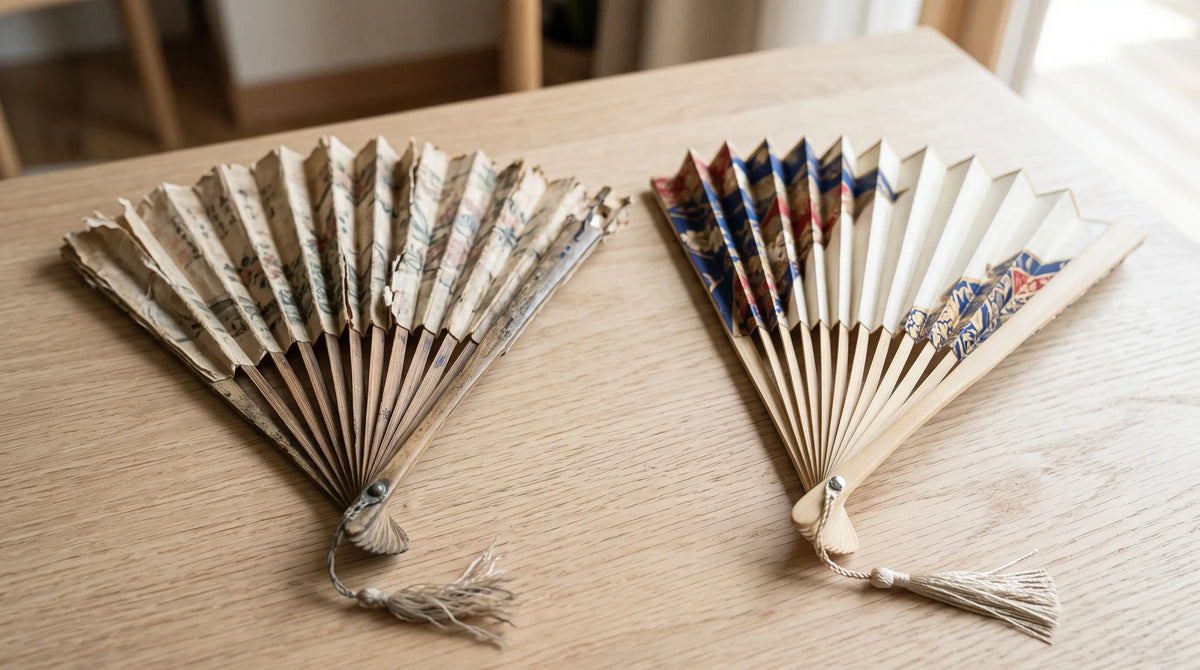
Mass-produced fans often lack this level of refinement. They may open unevenly or feel slightly loose, as if they were assembled without much care. The materials can feel thin or brittle, and the overall experience tends to be less enjoyable. While they might serve the basic function of creating airflow, they rarely deliver the same sense of quality or satisfaction.
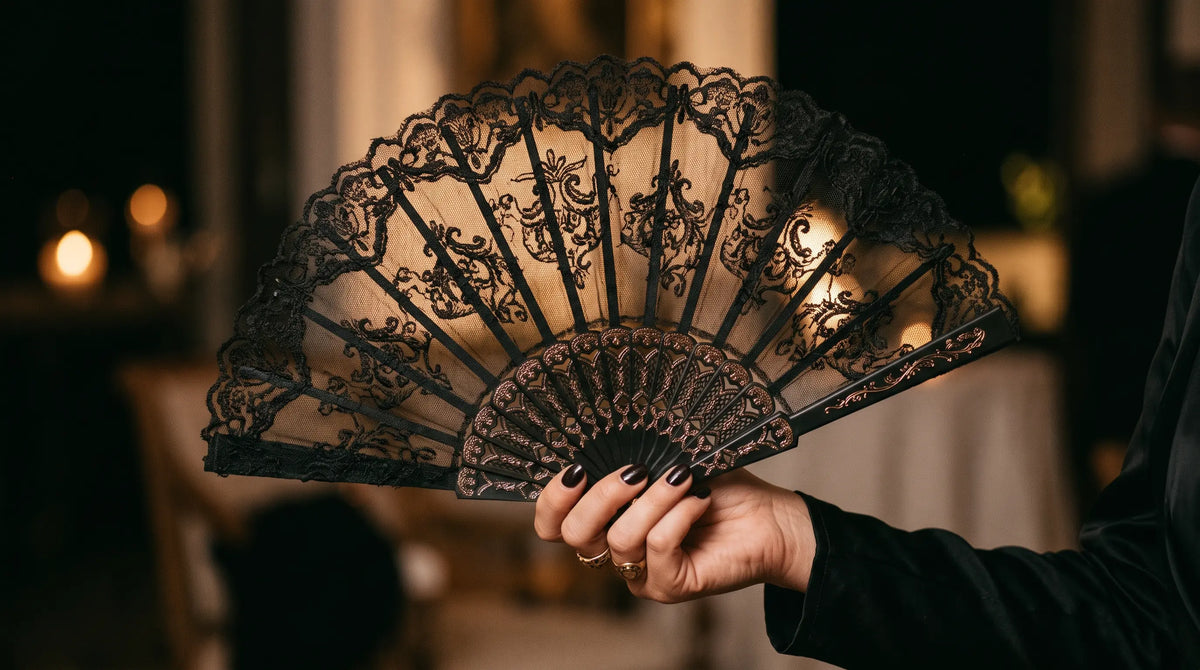
Another noticeable difference is in the design. Handmade fans often feature intricate patterns or artwork that stands out. The colors are richer, the details are sharper, and the overall aesthetic feels more intentional. This makes them not just functional items but also stylish accessories that can elevate your look.
Longevity and Durability
Durability is where handmade folding fans truly shine. Because they are made with high-quality materials and assembled with care, they tend to last much longer than their mass-produced counterparts. A well-maintained handmade fan can last for years, even decades, becoming a cherished item over time.
Mass-produced fans, on the other hand, are often designed with cost efficiency in mind. This can result in weaker joints, lower-quality materials, and a shorter lifespan. It is not uncommon for these fans to break or wear out after just a few uses.
Think of it like the difference between fast fashion and tailored clothing. One is designed for short-term use, while the other is built to last. Investing in a handmade folding fan means choosing durability and reliability, which can actually save money in the long run.
A Side-by-Side Comparison Table
| Feature | Handmade Folding Fans | Mass-Produced Fans |
|---|---|---|
| Materials | Natural and premium | Synthetic and low-cost |
| Craftsmanship | Handcrafted with precision | Machine-made |
| Durability | Long-lasting | Short lifespan |
| Design | Unique and artistic | Generic |
| Price | Higher upfront cost | Lower upfront cost |
| Value Over Time | High | Low |
Why Handmade Folding Fans Cost More
Labor-Intensive Craftsmanship
One of the biggest reasons handmade folding fans come with a higher price tag is the amount of labor involved. Each fan requires careful attention from start to finish, with artisans dedicating hours to perfecting every detail. This is not assembly-line work. It is a thoughtful, hands-on process that values quality over speed.
Premium Materials and Sourcing
High-quality materials also contribute to the cost. Sourcing bamboo, silk, and other natural components requires careful selection and often involves higher expenses. These materials are chosen for their performance and aesthetic appeal, which adds to the overall value of the fan.
Limited Production and Uniqueness
Handmade fans are not produced in massive quantities. This limited production adds a sense of exclusivity. When you buy one, you are getting something that not everyone else has. That uniqueness is part of what makes it special.
The Hidden Value Behind Handmade Fans
Supporting Artisans and Small Businesses
Buying handmade means supporting skilled artisans who rely on their craft for their livelihood. It helps preserve traditional techniques and keeps cultural heritage alive.
Sustainability and Ethical Production
Handmade fans are often more environmentally friendly. They use natural materials and involve less industrial processing, making them a more sustainable choice.
The Experience of Owning a Handmade Folding Fan
Aesthetic and Emotional Value
Owning a handmade fan feels different. It is not just an object. It is something you connect with on a personal level.
Functionality Meets Art
These fans are both practical and beautiful. They serve a purpose while also acting as a form of self-expression.
When Is It Worth Investing in a Handmade Fan?
Special Occasions and Events
Handmade fans are perfect for weddings, parties, and cultural events.
Everyday Luxury and Personal Style
They also add a touch of elegance to everyday life.
How to Choose the Right Handmade Folding Fan
Key Features to Look For
Focus on materials, craftsmanship, and design.
Matching Your Style and Needs
Choose a fan that reflects your personality and intended use.
Where to Buy Authentic Handmade Folding Fans
Why Choose Trusted Shops
Trusted shops ensure quality and authenticity.
Explore Our Collection
If you are ready to experience the difference for yourself, take a look at our carefully curated selection of handmade folding fans here: https://www.getmyfan.com/collections/all Each piece is crafted with attention to detail, offering both beauty and functionality in one elegant accessory.
Conclusion
Handmade folding fans cost more for good reason. They combine quality materials, skilled craftsmanship, and cultural significance into a single product. While the price may be higher upfront, the value they provide over time makes them a worthwhile investment. From their durability to their unique designs, these fans offer an experience that goes beyond simple functionality. Choosing handmade means choosing authenticity, artistry, and lasting quality.
FAQs
1. Are handmade folding fans really better than mass-produced ones?
Yes, they typically offer better quality, durability, and unique designs.
2. How long does a handmade fan last?
With proper care, it can last for many years.
3. Are handmade fans environmentally friendly?
They often use natural materials and sustainable processes.
4. Can I use a handmade fan daily?
Absolutely, they are designed for both function and style.
5. Where can I buy authentic handmade folding fans?
You can explore a wide range of options at https://www.getmyfan.com/collections/all.
Share:
Silk vs Fabric Folding Fans: What’s the Difference?
How to Spot Low-Quality Folding Hand Fans Online