

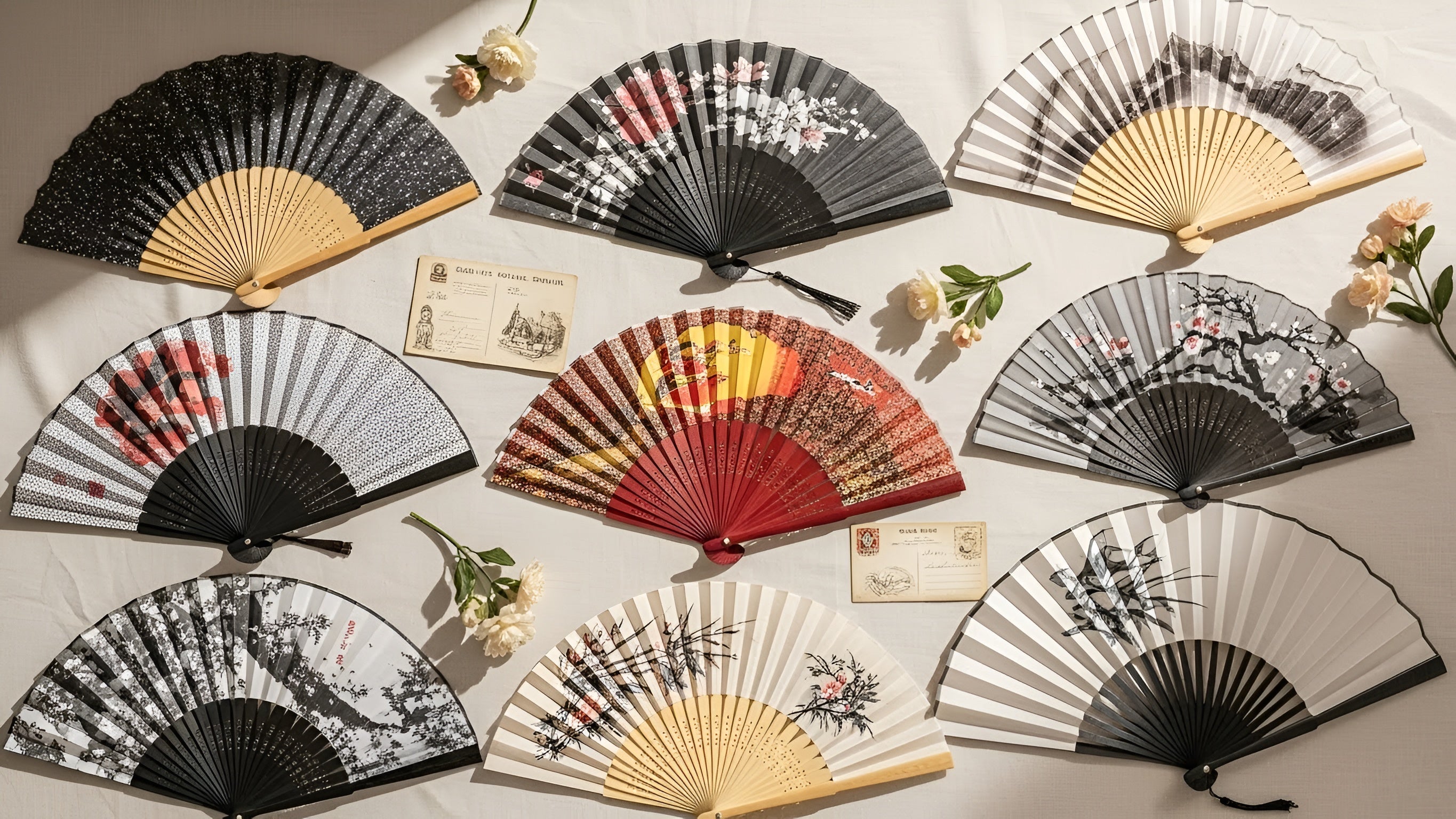
Have you ever held a beautifully painted folding fan and felt like you were holding a piece of history? Well, you're not alone. Collecting hand fans, once considered a forgotten relic of the past, has now blossomed into a full-blown cultural movement. People from all walks of life -from fashionistas to historians—are rediscovering the beauty, elegance, and artistry of folding fans.
What’s sparking this trend? A blend of nostalgia, artistry, and practicality. Folding fans aren't just practical tools for cooling off—they’re rich in history, diverse in design, and undeniably stylish. As more people look for meaningful, sustainable, and aesthetic items to incorporate into their lives, hand fans have started to fill that space perfectly.
In this article, we're diving deep into why collecting hand fans is more than a passing fad. It’s a growing trend with cultural roots, artistic value, and modern-day relevance. Whether you're a vintage lover, a collector at heart, or someone looking to add a unique flair to your outfit or home, this trend is worth exploring.
A Glimpse Into the History of Hand Fans
To truly appreciate why hand fans are trending, it helps to know where they came from. Hand fans date back thousands of years. Their earliest appearances can be traced to ancient Egypt, China, and Japan, where they served both practical and ceremonial purposes. Royalty and high-ranking individuals used elaborately designed fans as symbols of power, while everyday citizens used simpler versions for relief from the heat.
In Japan, folding fans (called “sensu” or “ōgi”) were originally used in court and gradually became tools of performance in traditional theater and dance. In China, fans were decorated with poetry, calligraphy, and scenic art, turning them into mini-canvases of culture. Europe wasn’t left behind—during the Renaissance and Victorian eras, folding fans became fashion statements for high society women and tools of flirtation and social etiquette.
Each culture has its own unique take on the fan, making the act of collecting them feel like stepping into a living museum. The diversity in design, purpose, and meaning gives collectors an endless world to explore.
Hand Fans as Cultural Icons
It’s not just the aesthetics that make hand fans so desirable—it’s the cultural weight they carry. In many Asian countries, fans are part of weddings, religious ceremonies, and traditional dances. In Africa, woven fans are handmade by women and passed down through generations. In Spain, the iconic flamenco fan adds rhythm and flair to passionate performances.
The designs often carry deep meaning: cranes for longevity in Chinese fans, cherry blossoms representing fleeting beauty in Japanese art, or peacock feathers for royalty and pride in Indian motifs. These aren’t just cooling tools—they're storytellers, each one representing the heritage of its maker.
Collectors love this aspect because it turns each fan into more than a possession—it becomes a cultural artifact. The storytelling potential, coupled with stunning craftsmanship, makes fans not just valuable but emotionally resonant.
Why Are Hand Fans Making a Comeback?
So why now? Why are hand fans becoming popular again in an age of high-tech cooling devices and minimalist fashion? One word: nostalgia.
In a world that feels increasingly digital, many of us are craving something tangible. Vintage aesthetics are booming, and folding fans fit right into that world. They’re elegant, timeless, and steeped in history. Social media has helped too—Instagram influencers, TikTok dancers, and even K-pop idols are showing off hand fans in stylish ways, reintroducing them to younger generations.
There’s also a movement toward “slow fashion”—buying fewer, better-quality, long-lasting items. Hand fans check all the boxes. They’re reusable, sustainable, and can last for decades if properly cared for. Plus, they’re small, affordable, and make an immediate statement—exactly the kind of low-effort, high-impact accessory today’s consumers love.
The Artistry Behind Hand Fans
Let’s talk about the beauty of the craft. If you’ve ever seen a hand-painted fan up close, you’ll know there’s more going on than meets the eye. From the materials—silk, bamboo, sandalwood—to the intricate designs, making a folding fan is a true art form.
Some fans are created by master artisans who spend days or even weeks crafting a single piece. Each brushstroke, each fold, each cut of material tells a story. That level of care is rare in today’s mass-produced world.
Modern fans come in a variety of styles—from minimalist monochrome pieces to ornate, jeweled designs. Whether you're into traditional Japanese calligraphy or bold African patterns, there’s something for every taste. Collectors often seek fans that showcase unique styles, limited editions, or rare cultural expressions, making them deeply personal and artistic investments.
Types of Folding Hand Fans to Collect
One of the best parts of collecting hand fans is the sheer variety available. Here are a few popular types:
-
Paper Fans: Lightweight and often hand-painted. Great for everyday use or as a base for artistic expression.
-
Silk Fans: Luxurious, elegant, and commonly used in traditional Asian ceremonies. Delicate but striking.
-
Bamboo Fans: Eco-friendly and sturdy. Often used as a base for painted fans.
-
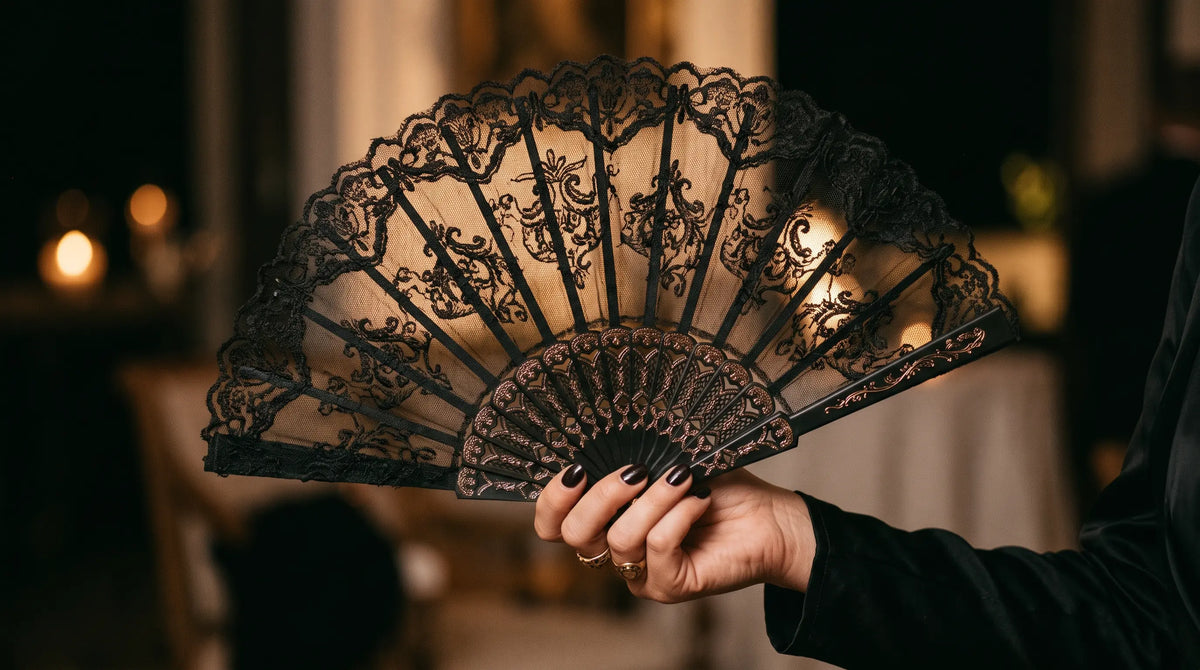
Wood Carved Fans: Highly decorative and sometimes perfumed. Common in Spanish and Indian traditions.
Collectors often build their selection based on these materials or by focusing on regions or historical periods. Some seek fans made for royal courts, while others hunt down vintage fashion fans from the early 20th century.
Each type offers its own charm and collecting potential, whether you’re in it for cultural appreciation or aesthetic admiration.
What Makes a Hand Fan Collectible?
So, what separates an ordinary folding fan from one that's truly collectible? It all comes down to a few key factors that serious collectors always look out for: rarity, craftsmanship, condition, historical relevance, and aesthetic appeal.
Let’s break this down. First, rarity—limited edition fans, antique models, or those produced by renowned artisans or fan houses are highly sought after. If a fan was produced for a royal occasion, a film, or by a historical brand, its collectible value increases significantly.
Next, craftsmanship plays a massive role. Fans made with delicate hand-painting, carved sandalwood, lace inlays, or silk embroidery are prized because they reflect true artisanal skill. Mass-produced fans simply don’t compare.
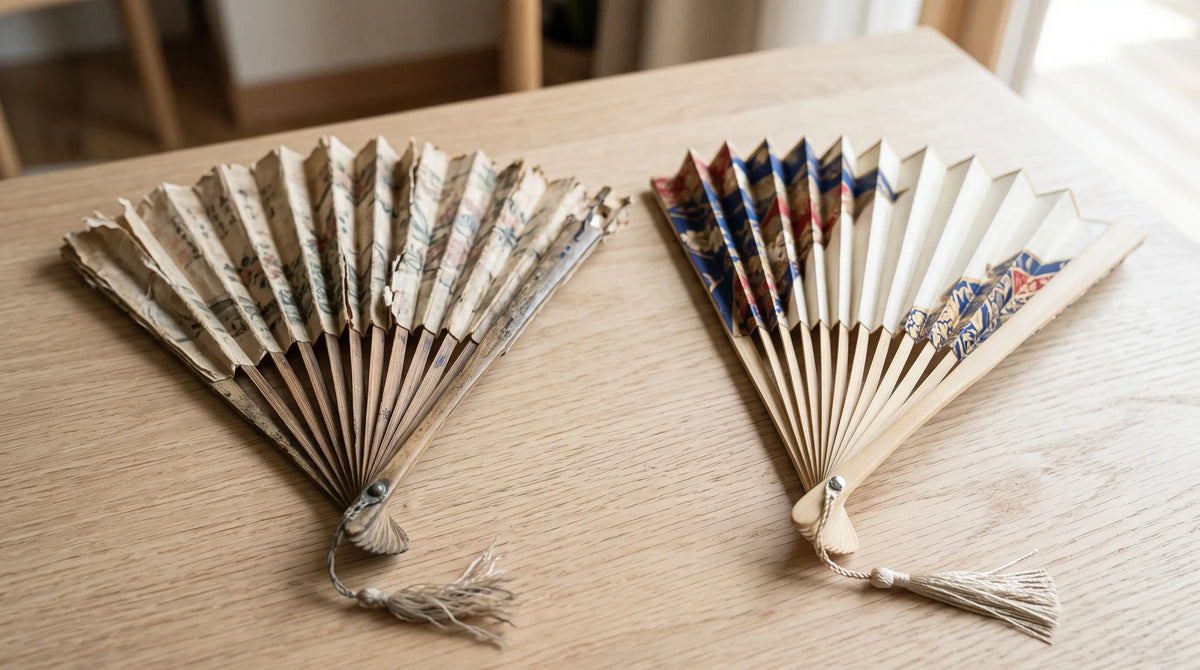
Condition is everything in the collector world. A well-preserved antique fan, even if it’s centuries old, holds more value than one with tears or fading. Many collectors go as far as using acid-free tissue paper and climate-controlled storage to maintain their collections.
Then there's provenance, or the story behind the fan. Was it owned by someone famous? Made during a notable period? Connected to a cultural moment? The deeper the backstory, the higher its desirability.
Finally, aesthetic appeal—because let’s face it, people are drawn to beauty. Whether it's a fan's colors, patterns, or the elegance of its folds, how it makes you feel visually is a huge part of the collecting experience.
The Rise of Hand Fans in Modern Fashion
Fashion is cyclical, and folding fans are making their runway revival. Over the last few years, we’ve seen hand fans grace fashion weeks in Paris, Tokyo, and New York. Models have strutted down the runway holding fans like power accessories—turning what was once a traditional tool into a high-fashion statement.
Celebrities like Beyoncé, Rihanna, and Harry Styles have been spotted using decorative fans during performances and on red carpets. That kind of visibility naturally sparks curiosity, and before you know it, everyone wants to get their hands on one.
Hand fans offer that rare blend of style and utility. At summer music festivals or beach parties, you’ll see people rocking fans with fringe outfits and sunglasses. They’re functional, yes—but also elegantly expressive, allowing wearers to make a statement without saying a word.
In an era of bold self-expression, hand fans offer a new-old way to stand out, accessorize, and embrace individuality. From vintage-inspired fashion to modern streetwear, they blend seamlessly across aesthetics.
Hand Fans in Home Decor
You don’t need to use a fan to appreciate it. More and more collectors are incorporating hand fans into their home decor—and the results are breathtaking.
Imagine a blank wall in your living room. Now imagine it adorned with a symmetrical display of ornate fans from different cultures. Instantly, the space becomes a gallery—a story told through curves, colors, and carvings.
Collectors often mount fans in shadow boxes, frame them like artwork, or hang them directly on walls. Whether you're aiming for a boho-chic vibe, a Zen-inspired room, or a vintage European salon, fans bring warmth, culture, and texture.
They also serve as conversation starters. Each fan hanging in your home has a story—where you got it, what it means, and why it’s special. In a world obsessed with sterile minimalism, fans bring life, tradition, and depth to any space.
Hand Fans as Eco-Friendly Alternatives
Let’s talk sustainability. In the face of climate change, people are reconsidering their everyday items, and guess what’s making a comeback? Yup, folding hand fans.
Unlike battery-powered portable fans or energy-consuming air conditioners, hand fans use zero electricity. They’re eco-friendly, silent, and long-lasting. Plus, they’re often made of natural, biodegradable materials like bamboo, wood, silk, and paper.
Collectors and eco-conscious consumers alike are seeing folding fans as a way to stay cool without harming the planet. And if you’re using a fan made by artisans or small-scale producers, you’re also supporting sustainable labor and cultural preservation.
It’s a win-win. You get a stylish, functional item while reducing your carbon footprint. That’s what we call guilt-free collecting.
Global Marketplaces and Accessibility
One of the biggest reasons fan collecting is growing? E-commerce. Thanks to the internet, you don’t need to scour flea markets in Spain or antique shops in Kyoto to start your collection.
Today, artisan marketplaces, niche boutiques, and collector-focused websites like GetMyFan.com are making it easier than ever to find high-quality, beautiful fans. Whether you're looking for traditional Asian folding fans, flamenco-style pieces, or modern reinterpretations, it’s all just a few clicks away.
Online platforms also allow you to compare prices, read reviews, and access limited-edition drops before they sell out. And with the rise of global shipping, you can own fans from across the world without ever leaving your home.
Plus, communities are forming around these platforms—people leave comments, share photos of their fan collections, and even trade pieces. It’s not just shopping; it’s joining a movement.
Social Media and the Hand Fan Community
There’s a massive online fan (pun intended) base for—well—hand fans. From TikTok challenges to Instagram reels, folding fans are taking over social media.
Creators showcase fans in unique ways: opening them with flair, styling them with outfits, or teaching traditional dances. Hashtags like #FanStyle, #FoldingFanArt, and #FanCollectorsClub are growing fast.
There’s even a dedicated community of ASMR enthusiasts who create soothing videos with the rustle of silk and the snap of a fan opening. Who knew cooling off could be so relaxing?
These online spaces allow enthusiasts to connect, learn, and share. Whether you’re a newbie or a seasoned collector, you’ll find tips, inspiration, and probably a few new fans to add to your wishlist.
Tips for Starting Your Hand Fan Collection
Thinking of diving in? Awesome. Here are some beginner tips to help you build a meaningful and beautiful collection:
-
Start with what you love. Choose fans that resonate with your taste—whether it’s bold, minimalist, vintage, or cultural.
-
Do your research. Learn about different fan styles, materials, and regions. The more you know, the more valuable your collection becomes.
-
Buy from trusted sellers. Online stores like GetMyFan.com offer quality fans and accurate descriptions.
-
Mix aesthetics and function. Some fans are best for display, while others are durable enough to use every day. Have a mix of both.
-
Keep an eye out for limited editions. Some fan artisans release seasonal or holiday-themed fans that become collectibles over time.
How to Care for and Store Hand Fans
Once you start collecting, you’ll want to take good care of your treasures. Here’s how:
-
Store them in a cool, dry place. Avoid direct sunlight which can fade fabric or paint.
-
Use acid-free paper or cloth wraps for vintage or delicate fans.
-
Clean gently with a soft brush or dry microfiber cloth. Avoid using water unless the material permits.
-
Don’t over-open. Fans, especially antique ones, can become fragile. Avoid snapping them open too hard.
-
Display them mindfully. If you're using frames or wall hooks, ensure there's no pressure on the folds or structure.
With proper care, your fans can last generations—becoming heirlooms, not just collectibles.
Why You Should Shop at GetMyFan.com
Looking for a trustworthy place to start—or expand—your collection? Look no further than GetMyFan.com.
Here’s why:
-
Wide Selection: From traditional Japanese and Chinese fans to modern, artistic designs, there’s something for every taste.
-
Authentic Quality: Each piece is crafted with care and vetted for style, durability, and uniqueness.
-
Collector-Ready: Many of their fans are limited editions or made by skilled artisans, making them ideal for building a high-quality collection.
-
Affordable Prices: Whether you're a beginner or a seasoned fan lover, the price range is accessible without sacrificing quality.
-
Eco-Conscious Focus: Many of their fans use sustainable materials—perfect for the modern, mindful collector.
So, if you're ready to start your collection—or find your next showpiece—click here and explore a world of elegance.
Conclusion
Hand fans are no longer just practical tools from the past. They’ve become cultural treasures, fashion statements, and eco-friendly alternatives—all rolled into one elegant accessory. Whether you love their history, admire their beauty, or enjoy the community around them, there’s never been a better time to start collecting.
From royal courts to runway shows, hand fans have stood the test of time—and now, they’re ready to take their place in your life. So go ahead, pick one up, feel the breeze, and let it transport you to another time and place.
FAQs
1. Are hand fans worth collecting?
Absolutely. They're not only beautiful and functional but also hold historical and artistic value. Some antique fans even appreciate in value over time.
2. Can I use collectible fans, or are they purely decorative?
Many are functional, but delicate or antique fans should be handled carefully. Some collectors use modern fans daily while preserving vintage ones for display.
3. How do I know if a hand fan is valuable?
Look for signs of quality: artisan craftsmanship, unique materials, limited editions, and historical background. Provenance and condition matter a lot.
4. Are folding fans suitable as gifts?
Definitely! They make thoughtful, personal gifts, especially if you choose one that matches the recipient’s style or heritage.
5. What makes GetMyFan.com a good place to shop?
They offer a curated selection of high-quality fans from different styles and regions. Their products are stylish, authentic, and perfect for collectors and first-timers alike.
Share:
Hand Fans Reimagined Elegance
The Evolution of Hand Fans from 1800s to Today